
Tabernaemontana arborea
Tabernaemontana arborea
Description
Growing requirements
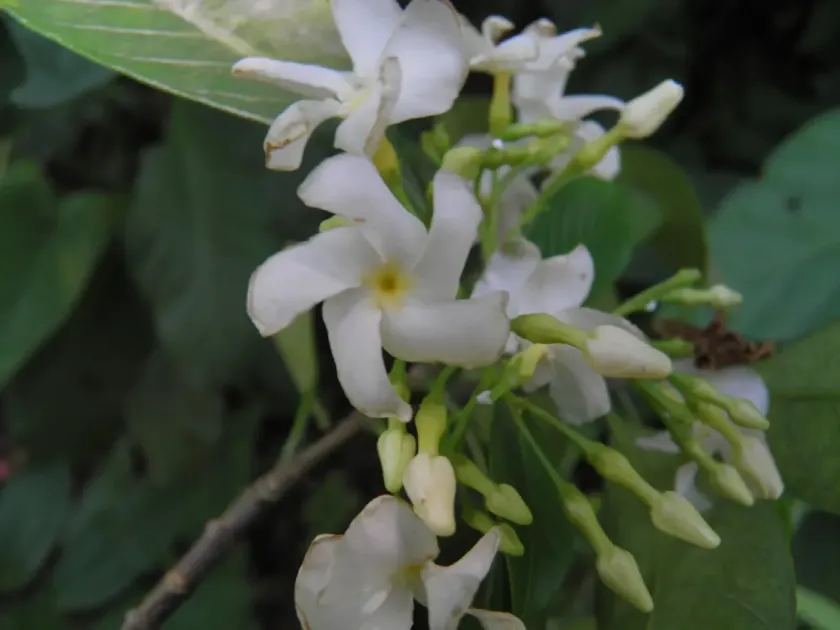
Tabernaemontana arborea is an evergreen tree belonging to the Apocynaceae family. It is recognized for its robust growth, characterized by dense, glossy foliage and fragrant flowers that are typical for this genus of tropical plants.
The species is native to the tropical regions of Central and South America. It thrives in humid lowland forests where temperature fluctuations are minimal and the environment supports rapid vegetative development throughout the year.
Cultivation requires well-draining, nutrient-rich soil to ensure healthy root development. While it enjoys humidity, the substrate must allow for adequate aeration, as heavy clay soils often cause root suffocation and subsequent decline.
Climatic requirements are centered on constant heat. The tree is strictly tropical and does not possess mechanisms to survive frost; thus, it must be grown in greenhouses or subtropical environments where temperatures remain well above 20°C.
Economic value is largely linked to its chemical profile. Research into the secondary metabolites found within the bark and leaves has highlighted the presence of diverse alkaloids, which are being investigated for potential therapeutic applications.
Main diseases and pests
Scale insects are primary pests for Tabernaemontana arborea. They attach to the stems and leaf undersides, extracting sap and causing localized wilting and premature leaf yellowing.
Mealybugs are also prevalent, often hiding in the crevices of branches. Their presence is easily identified by a white, cottony appearance and the growth of sooty mold that forms on their honeydew secretions.
Root rot, driven by Phytophthora and other soil-borne pathogens, poses a significant threat during prolonged rainy seasons. Managing irrigation is essential to mitigate the risk of these infections.
Leaf spot diseases can become problematic when canopy ventilation is poor. These conditions allow fungal spores to germinate on the leaf surfaces, leading to unsightly blemishes and potential defoliation.
Effective pest and disease management involves regular scouting and the application of horticultural oils or fungicides as a preventive measure in dense agricultural or botanical plantings.