
Ceylon syzygium
Syzygium zeylanicum
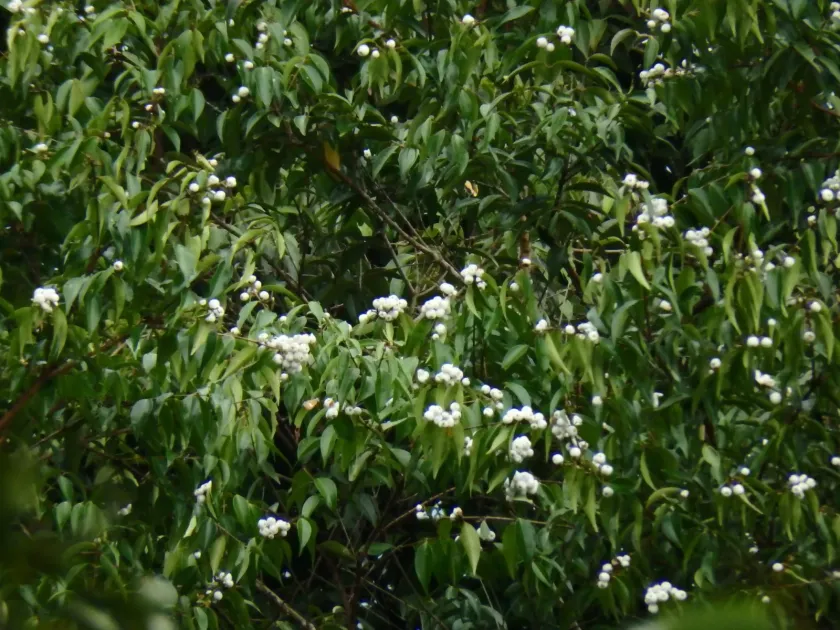
Description
Sowing dates
Ceylon syzygium is an evergreen tree belonging to the Myrtaceae family. In agricultural practices, it is typically propagated through seeds or stem cuttings in specialized nursery environments to ensure high survival rates.
Seeds possess low longevity and must be sown immediately after harvest for successful germination. The most appropriate time for field establishment is the onset of the monsoon season, which provides the high humidity required for root system development.
For vegetative propagation, semi-hardwood cuttings are utilized. These are planted in a well-aerated medium containing perlite and peat, often treated with rooting hormones and kept under misting systems to maintain optimal moisture levels.
Young seedlings undergo an acclimatization process before being transplanted into the open field. This transition occurs when the plants reach a height of 30–40 cm, usually 8 to 12 months after the initial propagation stage.
Planting density is determined by the specific land use goals. For fruit-bearing orchards, a spacing of 5x5 or 6x6 meters is recommended to allow for adequate canopy spread and light penetration for the fruit.
Growing requirements
This crop thrives in tropical climates characterized by consistent annual rainfall. An optimal temperature range is between +20°C and +32°C; the plant is highly susceptible to frost and prolonged drought periods.
Soil requirements for Ceylon syzygium are specific; it prefers well-drained, fertile loamy or sandy-loam soils. A pH level between 5.5 and 6.5 is ideal for nutrient uptake, provided the soil is rich in organic matter.
Water management is critical for productivity. While the tree can tolerate transient saturation, consistent irrigation is necessary for maximum yields, especially during the flowering and fruit-set stages of the season.
The plant is highly photophilic and requires full sun exposure. Shade significantly restricts canopy development and reduces the metabolic activity required for the production of flowers and quality fruits.
Fertilization regimes include applying balanced mineral fertilizers twice annually—prior to the rainy season and post-harvest—to replenish soil nutrients and support the tree's health during active growth phases.
Main diseases and pests
Common pests affecting Ceylon syzygium include scale insects and mealybugs, which feed on the sap of young shoots. Severe infestations cause leaf distortion and significantly weaken the tree's physiological status.
Powdery mildew is a prevalent fungal disease that manifests as a white coating on foliage. It thrives in conditions with high humidity and stagnant air, necessitating regular pruning to improve canopy ventilation.
Anthracnose can also impact production by causing necrotic spots on leaves and fruit. Management involves a combination of removing infected plant parts and applying systemic fungicides during high-risk periods.
Root rot often develops in poorly drained soils where water remains stagnant. Preventing this issue requires strict irrigation management and ensuring the soil structure promotes rapid water movement away from the root zone.
Biological pest control methods, such as utilizing natural predators or neem-oil-based sprays, are highly recommended to minimize chemical residues while effectively controlling insect populations in the orchard.