
Syzygium angophoroides
Syzygium angophoroides
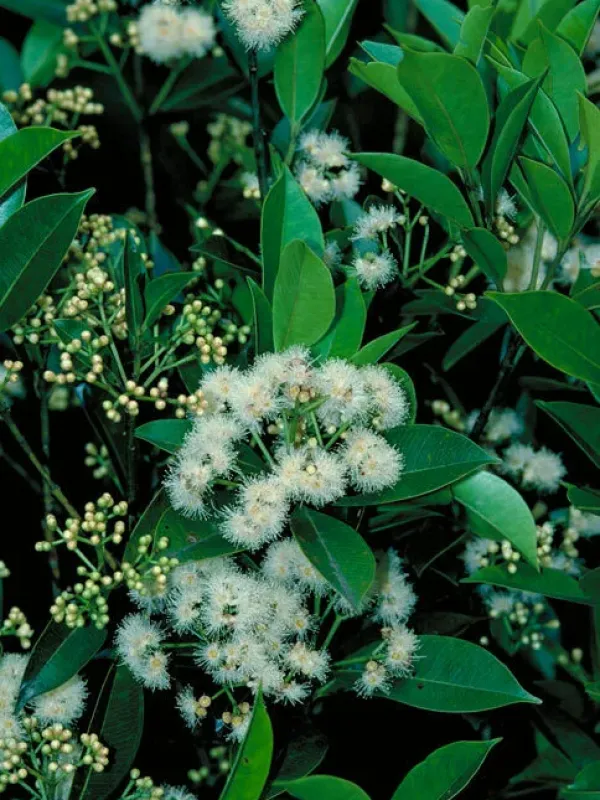
Description
Growing requirements
Syzygium angophoroides belongs to the Myrtaceae family and is recognized for its unique botanical features that require specific tropical environmental conditions. It is a hardy evergreen tree that thrives in warm, humid habitats where it can maintain steady growth throughout the year.
The cultivation of this species requires well-drained, nutrient-rich soil that supports root development without trapping excess moisture. In commercial scenarios, it is vital to assess soil pH to ensure optimal nutrient uptake for the plant's metabolic functions.
Climate requirements for this culture include consistent temperatures and protection from cold winds or frost, which can cause significant tissue damage. Maintaining an appropriate balance of light and shade is essential to promote photosynthesis and overall biomass production.
Proper agricultural practice includes regular water management, focusing on irrigation strategies that prevent root zone waterlogging. Utilizing mulch can help maintain soil moisture levels and suppress weed growth around the base of the tree.
Balanced fertilization programs, rich in micronutrients, are necessary to support the plant during peak growth seasons. Careful monitoring of the canopy allows for structural pruning, which enhances the plant's health and ensures better resource distribution within the tree.
Main diseases and pests
The primary threats to Syzygium angophoroides include fungal infections resulting from poor ventilation and high humidity, which can lead to crown rot or stem lesions that compromise the structural integrity of the plant.
Common agricultural pests such as scale insects and spider mites frequently target the foliage, causing chlorosis and a significant reduction in the tree's vigor if left untreated for long periods.
Bacterial diseases can also pose a risk during the wet season, causing spots on leaves that inhibit the plant's ability to efficiently produce energy through photosynthesis.
Integrated Pest Management (IPM) strategies are highly recommended for this culture, combining biological control agents with selective, low-toxicity chemical applications to manage pest populations effectively.
Regular surveillance of the orchard or planting site is critical. Early detection of any stress symptoms—such as yellowing leaves or stunted shoot growth—allows for timely intervention, preventing widespread outbreaks and ensuring long-term crop productivity.