
Syzygium alatoramulum
Syzygium alatoramulum
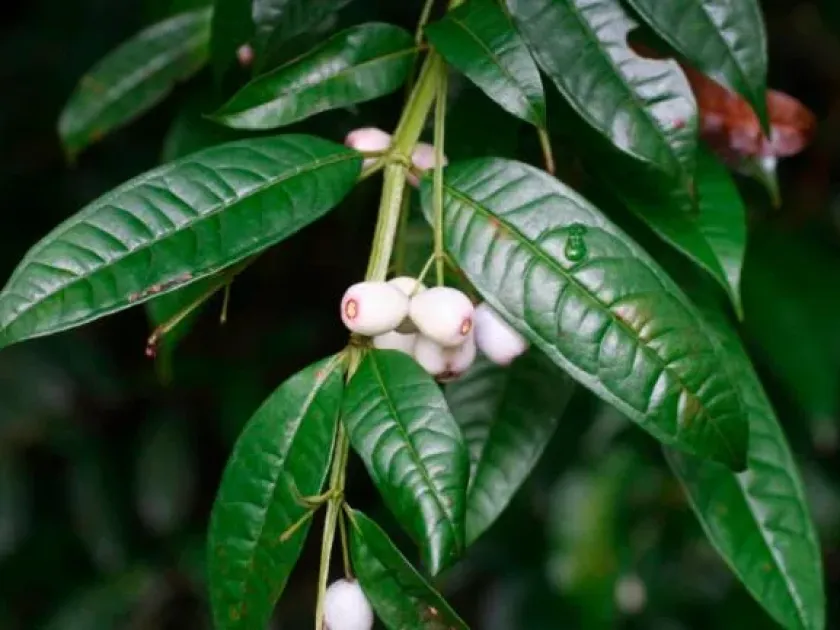
Description
Growing requirements
Syzygium alatoramulum is a distinct species belonging to the Myrtaceae family, native to tropical regions where humidity and temperature remain high year-round. This evergreen species is known for its ecological requirements that mirror its natural habitat in dense rainforests.
The cultivation of this plant requires deep, fertile, and well-drained soil, enriched with organic matter. It thrives best in environments where moisture levels are consistent, as sudden droughts can lead to significant stress and leaf drop.
Light intensity is a critical factor for successful growth; while it prefers bright conditions, direct exposure to harsh, unfiltered sunlight can burn the foliage of younger specimens. Providing partial shade is a recommended practice during the initial stages of development.
Agricultural management includes precise irrigation schedules and the maintenance of optimal soil pH levels. Regular monitoring of the growing environment is essential to ensure that the plants receive adequate airflow, which is vital for overall health.
Propagation is typically performed through stem cuttings under high-humidity conditions. This ensures that the genetic profile is maintained while helping the plant establish a strong root system before being transplanted into larger containers or permanent plots.
Main diseases and pests
The primary threats to Syzygium alatoramulum include fungal pathogens such as powdery mildew and leaf spot. These diseases often emerge when air circulation is poor, necessitating regular pruning of dense foliage.
Pests like scale insects and mealybugs represent a recurring challenge for growers. These pests feed on the sap of the plant, weakening the overall structure and potentially spreading viral infections between individual plants.
Root rot is a common issue caused by poor drainage or overwatering. Maintaining a porous soil medium and ensuring effective drainage are the best preventative measures against soil-borne pathogens and root-related stress.
Anthracnose can also impact the leaves, characterized by dark lesions that can spread rapidly in wet, stagnant air. Managing humidity levels and removing infected foliage immediately are key steps to controlling the spread.
Successful management relies on an integrated approach, combining cultural practices like sanitation and site selection with preventative applications of organic or chemical treatments. Consistency in monitoring is the foundation of a healthy crop.