
Syzygium acuminatissimum
Syzygium acuminatissimum
Description
Growing requirements
Syzygium acuminatissimum is an evergreen plant species belonging to the Myrtaceae family. Native to the humid tropical forests of Southeast Asia, it is known for its ability to thrive in dense, competitive botanical environments.
The species requires a warm, humid climate to reach its full development potential. Temperatures should ideally remain within the tropical range, as the plant lacks tolerance for frost and prolonged cold stress which can severely damage its foliage.
In terms of soil requirements, the plant demands well-drained, nutrient-rich substrates that can retain moisture without becoming waterlogged. Acidic to neutral soil pH levels are preferred, mimicking the forest floors where this species originated.
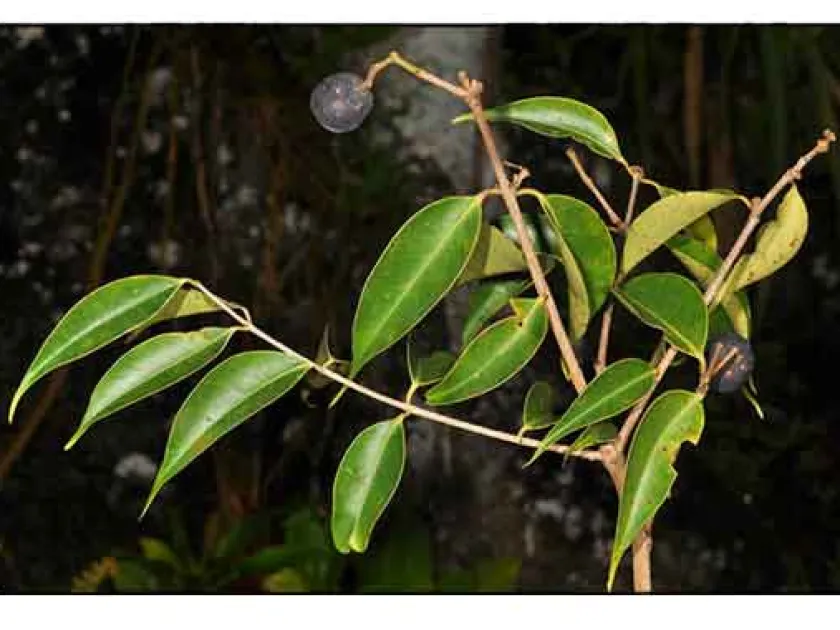
Botanically, the plant is distinguished by its acuminate, leathery leaves and characteristic floral structures typical of the Syzygium genus. The dense canopy formation serves as a functional adaptation to capture sunlight in competitive forest settings.
Commercially, the plant is valued for its resilient wood, which is utilized for various construction and utility purposes. Furthermore, the species has documented uses in traditional plant-based practices and as an ornamental component in tropical landscapes.
Main diseases and pests
The crop is susceptible to various fungal pathogens that flourish in high-humidity environments if air circulation is restricted. Common pests affecting this species include mealybugs and scale insects, which often target tender apical shoots.