
Syzygium xerampelinum
Syzygium xerampelinum
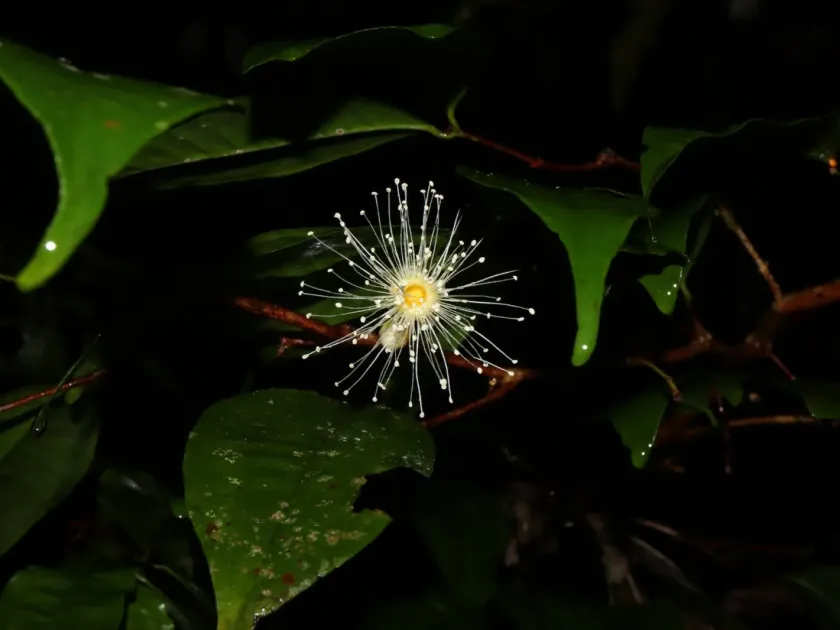
Description
Growing requirements
Syzygium xerampelinum is a tropical plant belonging to the Myrtaceae family. It is a rare species native to specific forest regions of Australia, exhibiting unique botanical features typical of the genus.
The crop thrives in fertile, well-draining soils with a slightly acidic profile. Proper moisture management is essential, as the root system requires consistent hydration without the risk of waterlogging.
Climatically, this species is highly demanding and requires stable warm temperatures throughout the year. It is strictly a tropical-climate crop that cannot survive frost or prolonged exposure to cold winds.
Regarding light, it prefers bright, filtered sunlight to ensure healthy development of foliage. Protecting the young plants from intense midday sun is a key agrotechnical requirement.
In terms of usage, the plant is primarily cultivated for its ornamental value. It serves as a significant botanical specimen in conservatories and is valued for its dense canopy and structural form.
Main diseases and pests
Fungal pathogens remain the primary biological threat for Syzygium xerampelinum, especially in conditions with poor airflow and high humidity levels.
Pests such as mealybugs and spider mites are frequent adversaries in greenhouse environments, posing a threat to the overall vitality of the plantation.
Effective management strategies include routine pruning to improve canopy ventilation and the careful application of targeted insecticides to control pest populations.
Soil health must be strictly monitored to prevent root-zone pathogens. Good cultural practices, including sanitation and controlled watering, are the best methods to minimize disease outbreaks.
Monitoring the undersides of leaves is critical for early detection of pest infestations, allowing for immediate intervention before the problem compromises plant growth.