
Syzygium unipunctatum
Syzygium unipunctatum
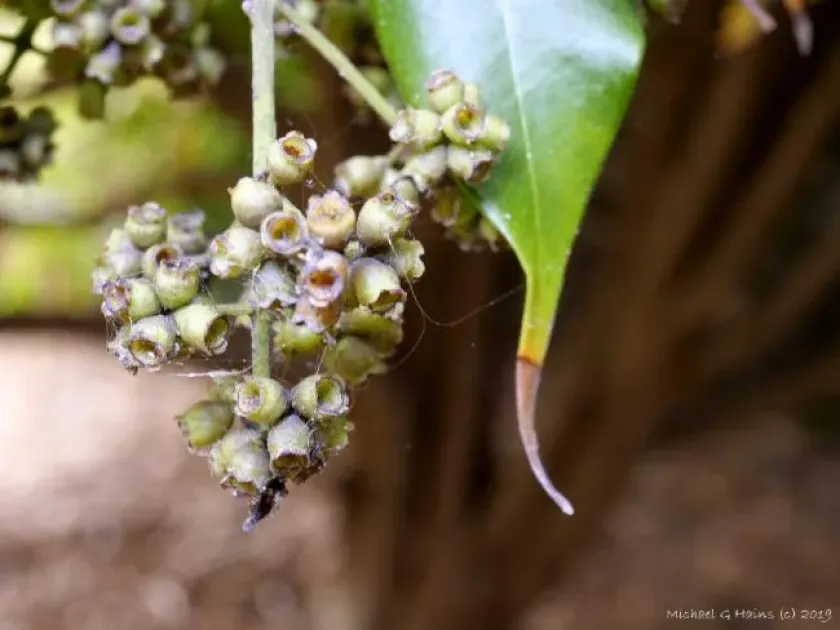
Description
Growing requirements
Syzygium unipunctatum is a distinctive evergreen species belonging to the Myrtaceae family, native to the coastal regions of Australia. This plant is valued both for its aesthetic qualities and its botanical uniqueness, typical of the broader Syzygium genus.
Botanically, the species is characterized by its glossy foliage containing translucent glands, which contain essential oils. In its natural habitat, it thrives in warm, humid subtropical climates, forming part of the dense, lush vegetation of the coastal rainforests.
The cultivation requirements are demanding, focusing primarily on soil quality and drainage. It prefers fertile, well-draining soil with an acidic to neutral pH. Proper soil structure is essential to prevent root asphyxiation, which is a common issue for this species in non-native environments.
Climate management is crucial for the success of this crop. It requires stable temperatures and protection from cold winds or frost, which are detrimental to its development. Ideally, it should be kept in environments where temperatures stay between 20°C and 28°C throughout the year.
Agronomic practices include consistent fertilization programs and routine pruning. Pruning is essential not only for plant health but also for maintaining a manageable size and encouraging denser foliage development, which improves the overall appearance of the specimen.
Main diseases and pests
The primary threats to Syzygium unipunctatum include fungal infections, such as leaf spot and powdery mildew, which thrive in high-humidity and low-airflow conditions. Maintaining good ventilation is the most effective cultural control method.
Insects like scale, mealybugs, and aphids are frequent pests that target the tender growth of the plant. Monitoring and early intervention with biological control agents or targeted insecticides are necessary to prevent significant damage.
Root rot caused by Phytophthora or other soil-borne pathogens can be devastating. Proper water management and the use of sterile growing media are critical components of a successful disease prevention strategy.
Mite infestations can occur in dry indoor conditions, leading to leaf drop and stunted growth. Increasing ambient humidity or regular misting can act as effective preventative measures against these common pests.
A proactive monitoring program, combined with clean horticultural practices, ensures the longevity and vitality of the crop, allowing it to withstand potential disease pressures throughout the growing season.