
Syzygium tierneyanum
Syzygium tierneyanum
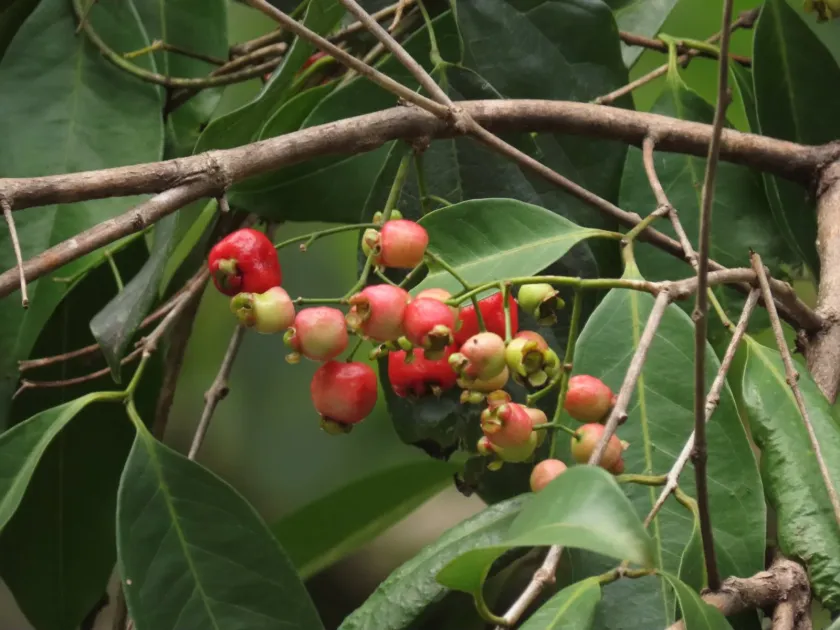
Description
Growing requirements
Syzygium tierneyanum, a notable member of the Myrtaceae family, is an evergreen tree native to the rainforest regions of Queensland, Australia. It is commonly associated with riparian zones, flourishing naturally along the banks of rivers and streams where moisture is abundant.
To cultivate this species successfully, it requires a tropical climate characterized by consistently warm temperatures and high relative humidity. It lacks cold tolerance, making it unsuitable for outdoor cultivation in temperate regions without the protection of a greenhouse or conservatory.
The ideal soil profile for Syzygium tierneyanum includes fertile, well-draining loamy soils that can retain sufficient water to keep the root system hydrated. While the plant appreciates consistent moisture, it is imperative to avoid waterlogged conditions, which can be detrimental to its health.
Regarding light requirements, young specimens benefit from dappled shade, which mimics their natural understory environment. As they mature, they become more tolerant of full sun exposure, provided that the soil moisture levels are meticulously managed to prevent desiccation.
Agricultural management should prioritize regular irrigation during dry spells and the application of balanced organic fertilizers. Periodic monitoring is essential to ensure that the nutrient levels remain sufficient to support the vigorous vegetative growth characteristic of this species.
Main diseases and pests
Like many species within the Myrtaceae family, Syzygium tierneyanum is susceptible to various fungal pathogens, particularly those that thrive in high humidity conditions. Leaf spots and root rot are among the most common issues encountered by growers.
Pest management is equally critical, as scale insects and aphids can infest the tender new foliage, leading to stunted growth and reduced vigor. Regular inspection of the undersides of the leaves is a recommended practice for early detection of such infestations.
The use of integrated pest management (IPM) strategies, including biological controls or targeted horticultural oils, is often more effective than relying solely on chemical pesticides. This approach helps maintain the ecological balance within the plant's environment.
Preventative measures such as ensuring adequate air circulation around the canopy can significantly reduce the risk of fungal infections. Proper spacing during planting is a key factor in managing the microclimate and preventing the spread of spores.
If significant disease symptoms appear, it is important to remove and dispose of affected plant material immediately to prevent the contamination of the entire collection or plantation area. Maintaining high standards of hygiene is crucial for long-term health.