
Syzygium syzygioides
Syzygium syzygioides
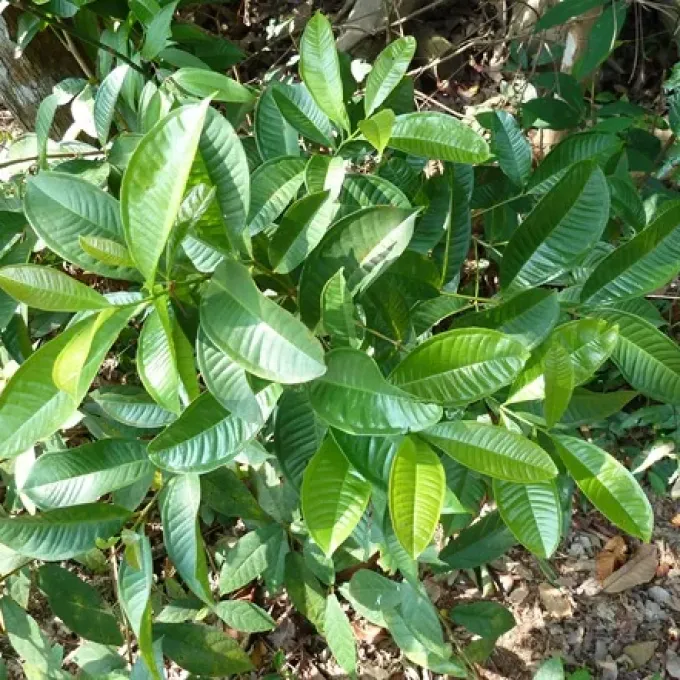
Description
Growing requirements
Syzygium syzygioides is a significant species belonging to the Myrtaceae family, native to the tropical forests of Southeast Asia and Indonesia. This tree is valued for both its edible fruits and its dense, durable wood used in local crafts.
The climate requirements for this species are strictly tropical, necessitating high humidity and consistent warmth throughout the year. It does not tolerate frost or cold winds, which makes its cultivation limited to specific geographical regions.
Regarding soil conditions, the tree thrives in well-draining, nutrient-rich loams. It is essential to ensure that the site for planting does not accumulate standing water, as the root system is highly prone to rot in waterlogged conditions.
The tree requires significant sunlight for optimal growth, although young saplings may benefit from partial shade during their early developmental stages to prevent leaf scorching.
Cultural practices include regular mulching around the base to retain soil moisture and nutrient enrichment using balanced organic fertilizers to support fruit production.
Main diseases and pests
The primary threats to Syzygium syzygioides include fungal pathogens such as powdery mildew and leaf spot diseases, which flourish in tropical environments with high precipitation levels.
Insects, particularly scale insects and mealybugs, are frequent pests. These organisms suck sap from the tender parts of the tree, leading to stunted growth and reduced yields of edible fruit.
Agricultural management should focus on maintaining proper tree density to allow for optimal airflow through the canopy, which effectively discourages fungal proliferation.
Regular inspection of the foliage is necessary to detect early infestations of pests. If detected, organic horticultural oils or neem-based treatments are often effective control measures.
Sanitation, such as the removal of fallen leaves and infected twigs, is a critical component of integrated pest management to prevent the spread of diseases within the orchard.