
Syzygium suborbiculare
Syzygium suborbiculare
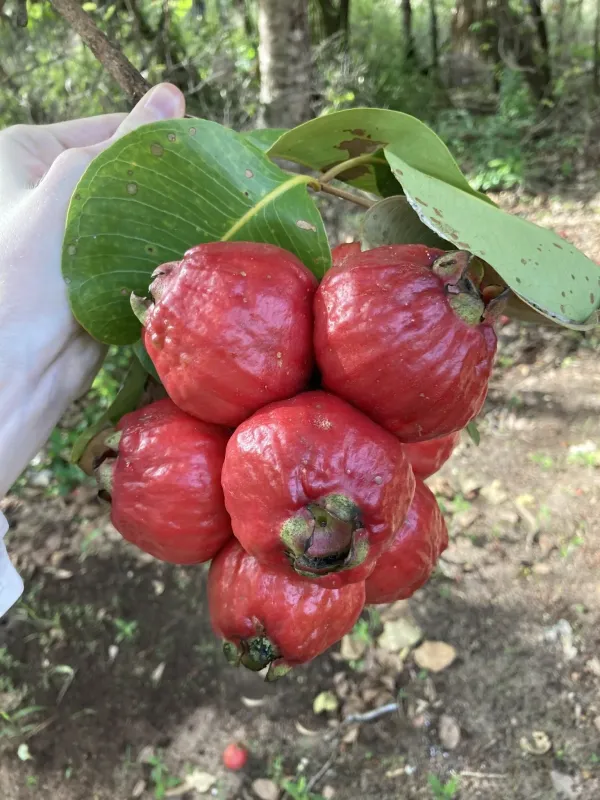
Description
Growing requirements
Syzygium suborbiculare is a robust evergreen tree species belonging to the Myrtaceae family. Native to the tropical regions of Northern Australia, it flourishes in humid environments and coastal plains where it receives substantial rainfall and bright, indirect sunlight throughout the growth cycles.
The climate requirements for this species are strictly tropical, as it is intolerant of cold temperatures and frost. To maintain healthy vegetation, the tree requires consistent warmth, with ideal temperatures ranging between 22 and 30 degrees Celsius during the active growing season.
Regarding soil preference, the plant thrives in well-draining, nutrient-rich soils that possess an acidic to neutral pH level. It is essential to ensure that the soil structure prevents waterlogging while maintaining sufficient moisture retention to support the tree’s water-intensive fruit production.
Botanically, this tree is recognized for its large, leathery, rounded leaves and spectacular floral displays. The flowers feature prominent, colorful stamens that attract local pollinators, which are vital for the successful fruit set of this agricultural crop.
Economically, the fruit is prized for its unique flavor profile, often described as tangy and refreshing. It is widely utilized in traditional culinary applications, such as making preserves, jellies, and fresh fruit extracts that are popular within local Australian food markets.
Main diseases and pests
Like many species within the Myrtaceae family, Syzygium suborbiculare is susceptible to fungal pathogens such as leaf spot and powdery mildew, especially in regions with prolonged high humidity. Proper canopy management is essential to facilitate air movement and reduce infection risks.
Pests, particularly aphids, scales, and mites, often target the tender new growth of the tree. Implementing an integrated pest management system, which includes monitoring and the use of eco-friendly biological controls, helps manage these populations effectively.
Root rot represents a significant threat if irrigation practices are not carefully calibrated. It is crucial to monitor soil drainage capacity constantly to avoid the accumulation of standing water around the base of the trunk, which can lead to rapid decay.
Mechanical damage to the bark or branches during harvest can create entry points for secondary pests or bacterial infections. Gardeners and growers should prioritize careful harvesting techniques and provide immediate care to any wounded branches to ensure long-term health.
Regular maintenance, including the removal of dead or crossing branches, is recommended to prevent localized disease outbreaks. By fostering an environment with good sunlight exposure, the tree becomes more resilient against common agricultural pests and climate-related stresses.