
Syzygium
Syzygium resa
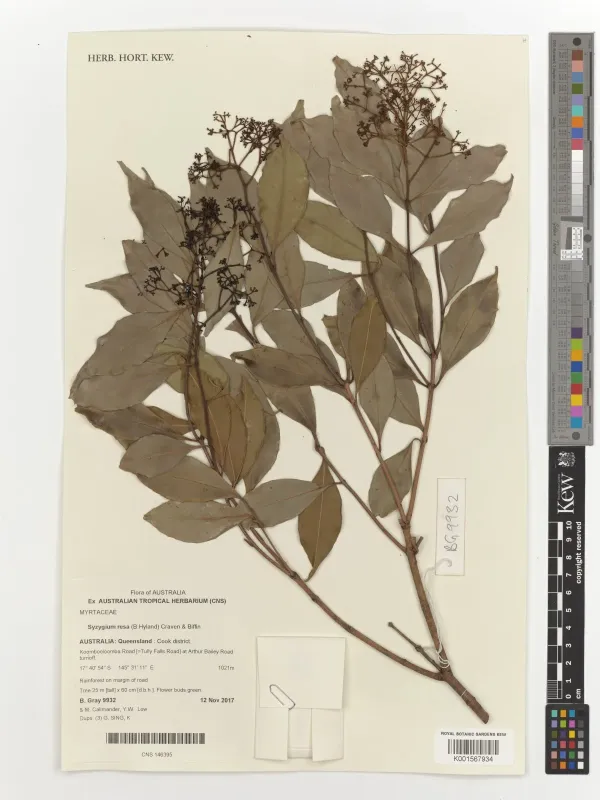
Description
Growing requirements
Syzygium is a prominent genus within the Myrtaceae family, comprising numerous evergreen trees and shrubs native to tropical regions. These plants are recognized for their dense foliage and their capability to produce edible berries that are highly valued in various culinary traditions.
The optimal climate for Syzygium cultivation is tropical, characterized by consistent warmth and humidity. It requires temperatures ranging from 20 to 30 degrees Celsius and is highly sensitive to frost, which limits its commercial production to specific geographical zones.
In terms of pedology, the plant thrives in rich, well-draining soils with an acidic to neutral reaction. Adequate soil moisture is essential, but the drainage system must be efficient enough to prevent anaerobic conditions in the root zone.
Regarding cultivation practices, Syzygium requires full sun for optimal flowering and fruit set. Proper spacing between trees is crucial to facilitate air circulation and prevent the development of high humidity levels that could trigger fungal diseases.
Nutrition management involves the regular application of balanced NPK fertilizers supplemented with micronutrients. Organic amendments, such as compost or well-rotted manure, improve soil structure and water-holding capacity, supporting sustainable growth.
Main diseases and pests
Pest pressure on Syzygium crops is primarily driven by scale insects, aphids, and mites. These pests typically cluster on tender shoots and leaf undersides, extracting sap and reducing the photosynthetic efficiency of the plant.
Fungal pathogens such as rust and leaf spot are common threats in humid environments. They thrive when canopy density is too high, leading to significant foliage loss and reduced fruit quality if left unmanaged.
Integrated Pest Management (IPM) strategies are recommended for controlling these threats. This includes the use of biological control agents and selective systemic insecticides during the critical stages of plant development to protect the health of the crop.
Monitoring the orchard for early signs of infection is vital for successful cultivation. Regular scouting allows for localized interventions, which prevents widespread outbreaks and reduces the need for comprehensive chemical applications.
Cultivators should also prioritize sanitation protocols, such as removing infected plant tissue and disinfecting tools. These simple but effective practices are the first line of defense against the spread of viral and bacterial diseases in the field.