
Indonesian Bay Leaf
Syzygium polyanthum
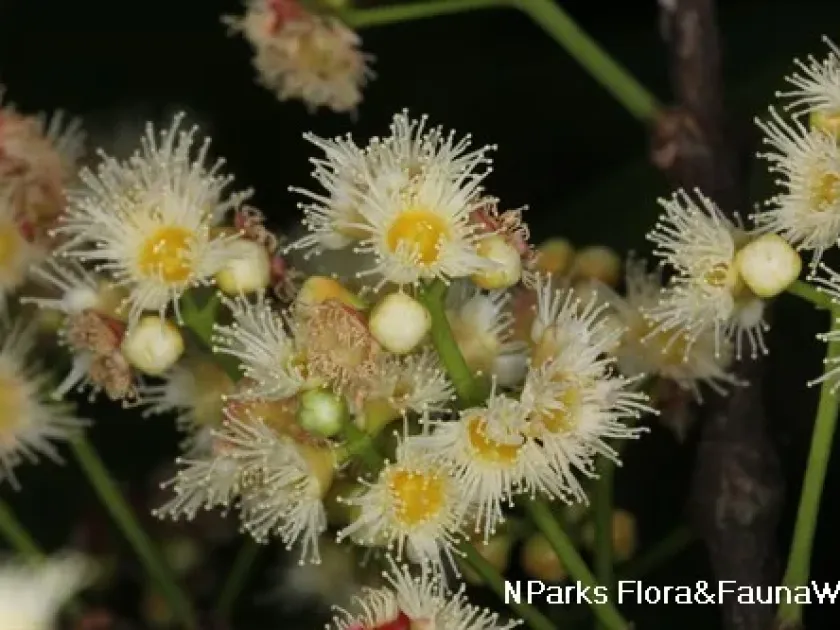
Description
Sowing dates
Syzygium polyanthum, belonging to the Myrtaceae family, is propagated through seeds or stem cuttings depending on the cultivation goals and region.
Seeds must be sown immediately after harvesting because they lose their viability very quickly if dried or stored for an extended period.
Nursery propagation involves using a well-drained soil mixture rich in organic matter to encourage rapid root development of young seedlings.
Seedlings require protection from direct, intense sunlight during the early growth stages, typically provided by artificial shade cloths in modern setups.
Proper spacing during the nursery phase is essential to prevent etiolation and to ensure the development of sturdy, healthy saplings before field planting.
Growing requirements
The Indonesian bay leaf thrives in humid, tropical climates with consistent rainfall and high temperatures throughout the year.
The crop requires fertile, deep, and well-draining soils with a slightly acidic to neutral pH level to ensure optimal nutrient uptake and plant vigor.
As a tree species, it requires sufficient space for canopy development, which is critical for maximizing leaf production in commercial plantations.
Regular rainfall or supplemental irrigation is necessary to maintain the high metabolic rate required for the synthesis of essential oils in the leaves.
The plant is highly sensitive to frost and cold winds, making it unsuitable for cultivation in temperate zones without strict temperature control.
Main diseases and pests
Fungal leaf spots and root rots are common issues, especially in areas with stagnant air and excessive soil moisture during the rainy seasons.
Scale insects and spider mites are frequent pests that infest the foliage, reducing the overall yield and market value of the harvested leaves.
Aphids may cause damage to the tender new flushes, which can lead to deformed growth and lower the aesthetic appeal of the spice product.
Integrated pest management strategies are essential to minimize the use of chemicals, as the leaves are directly consumed as a culinary ingredient.
Proper canopy management and pruning help maintain airflow, which is a key preventive measure against the proliferation of most foliage diseases.
Harvesting
The harvest focuses on the mature leaves, which contain the characteristic aroma and flavor profile that makes the species a popular seasoning.
Harvesting is performed manually to ensure that only healthy, fully developed leaves are selected, which helps in maintaining high product quality.
Post-harvest handling involves drying the leaves in cool, shaded, and well-ventilated areas to prevent the loss of delicate volatile essential oils.
- Hand-picked quality control
- Shade drying techniques
- Moisture-resistant packaging
- Storage in cool, dark environments
Sustainable harvesting techniques allow for periodic pruning, which not only yields spices but also stimulates the plant to produce new, healthy growth.