
Long-leaved Syzygium
Syzygium longifolium
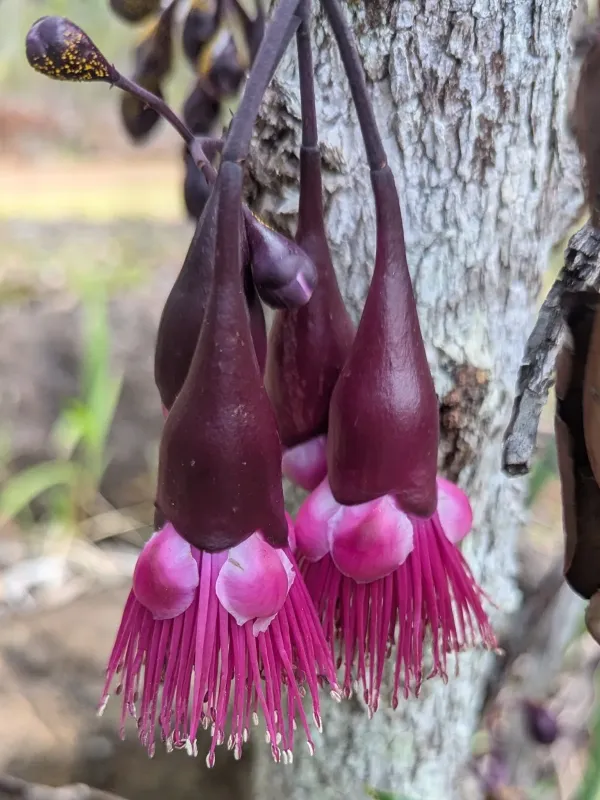
Description
Growing requirements
Syzygium longifolium is a perennial evergreen tree belonging to the Myrtaceae family. Originally native to tropical rainforest ecosystems, the species thrives in humid environments characterized by rich, well-draining soils that support its continuous growth throughout the year.
Climatic requirements for this crop are strictly tropical, meaning the tree cannot withstand freezing temperatures or prolonged cold spells. Ideal conditions involve consistent temperatures and protection from harsh, drying winds that can cause leaf desiccation and overall plant decline.
Effective agronomy for this species relies on maintaining consistent soil moisture levels and high ambient humidity. The crop responds well to organic fertilization regimes that improve soil structure and provide the necessary nutrients for dense foliage development.
Regarding soil preference, Syzygium longifolium favors substrates with a slightly acidic to neutral pH level. Providing adequate drainage is essential, as the roots are highly susceptible to rot if subjected to waterlogged conditions, particularly during the rainy season.
Cultivation practices often involve greenhouse propagation from seeds or softwood cuttings. Young plants require partial shade during their establishment phase to ensure they do not suffer from thermal stress or excessive moisture loss while their roots are still developing.
Main diseases and pests
The primary agricultural threats to Syzygium longifolium include fungal pathogens, particularly those that thrive in stagnant air or excessively damp environments. Leaf spot and powdery mildew are frequently reported in commercial plantations where ventilation is insufficient.
Pest pressures primarily come from sap-sucking insects like scale insects and mealybugs. These pests congregate on the underside of leaves and tender shoots, draining the plant of vital nutrients and potentially introducing secondary viral infections.
Management strategies focus on proper spacing between trees to encourage airflow throughout the canopy. Regular monitoring and physical removal of infested foliage are critical steps for maintaining the health of the plantation without heavy reliance on synthetic pesticides.
Water management is another crucial component of disease prevention. By ensuring proper surface and subsurface drainage, farmers can significantly reduce the incidence of root-related pathologies that often prove fatal to tropical myrtle species.
Overall, successful management of this crop requires a balanced approach that combines biological pest control, diligent soil health monitoring, and a proactive attitude toward pruning and maintenance throughout the active growing season.