
Syzygium gerrardii
Syzygium gerrardii
Description
Growing requirements
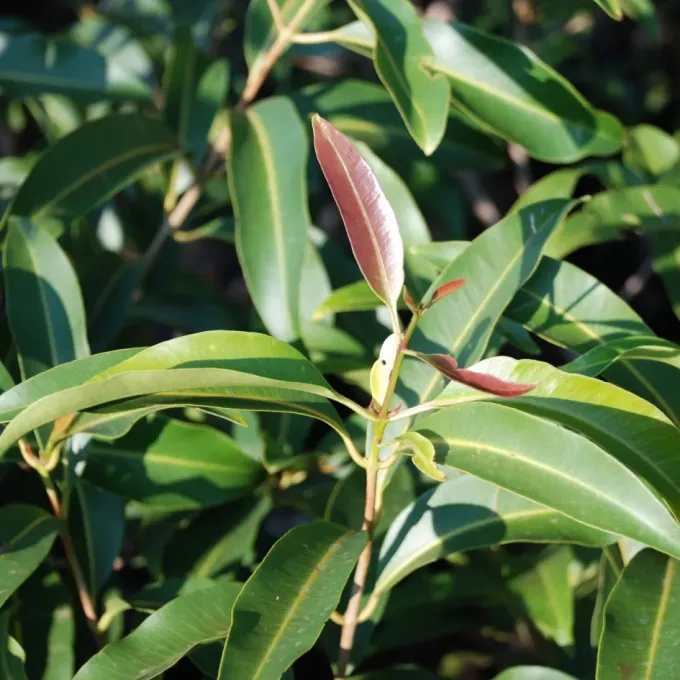
Syzygium gerrardii, commonly known as the Water Pear, belongs to the Myrtaceae family. It is a striking evergreen tree characterized by its dense, glossy foliage and robust growth habit, often reaching significant heights in native forests.
The species is native to the coastal forests of South Africa. As a tropical and subtropical plant, it thrives in warm, humid conditions and requires a frost-free environment to maintain its vigorous development throughout the year.
To cultivate this species successfully, it is essential to provide deep, fertile, and well-drained soil. The plant prefers slightly acidic to neutral soil profiles and benefits significantly from consistent soil moisture levels without suffering from waterlogging.
Regarding light requirements, the Water Pear performs best in full sun or light shade. It is well-adapted to coastal conditions, demonstrating resilience to light sea breezes, which makes it a preferred choice for ornamental landscaping.
Botanically, the tree features smooth, grayish bark and small, white, fragrant flowers that bloom in clusters. The subsequent fruit is a small, succulent berry, which is highly appreciated by local bird species and wildlife.
Yield
The economic and practical use of Syzygium gerrardii is quite diverse. It is widely prized as an ornamental tree in landscaping, used for creating shade, privacy screens, and dense hedges due to its excellent pruning tolerance.
The timber obtained from this tree is known for its durability and structural strength. It is frequently utilized in furniture making and general construction, valued for its quality and ease of workability.
The edible fruits of the tree are utilized in artisanal culinary practices. They are commonly gathered for processing into jams, jellies, and refreshing beverages, adding a unique flavor profile to local traditional food products.
Furthermore, the tree acts as a significant honey plant. Beekeepers value its flowering season, as it provides a stable food source for pollinators, thus contributing to the surrounding ecosystem's health.
In forest restoration projects, the species is often planted to provide structural habitat and food resources, emphasizing its dual role as a commercial crop and an ecological asset.
Main diseases and pests
Syzygium gerrardii can be susceptible to various fungal pathogens, especially when exposed to poor air circulation or consistently excessive moisture in the root zone during cool periods.
Typical insect pests include scale insects and mealybugs, which tend to congregate on young, tender growth. If left untreated, these pests can cause leaf yellowing and stunted development of the tree.
Root rot, driven by stagnant water, is a serious threat that can lead to rapid decline. Ensuring that planting sites are elevated or incorporate gravel drainage layers is crucial for long-term health.
Integrated pest management, including the use of horticultural oils or systemic insecticides, is recommended for controlling infestations without disrupting the local bird population that visits the trees.
Regular maintenance, including the removal of deadwood and thinning of overcrowded branches, improves internal airflow, which acts as a primary defense mechanism against the onset of fungal diseases.