
Syzygium gardneri
Syzygium gardneri
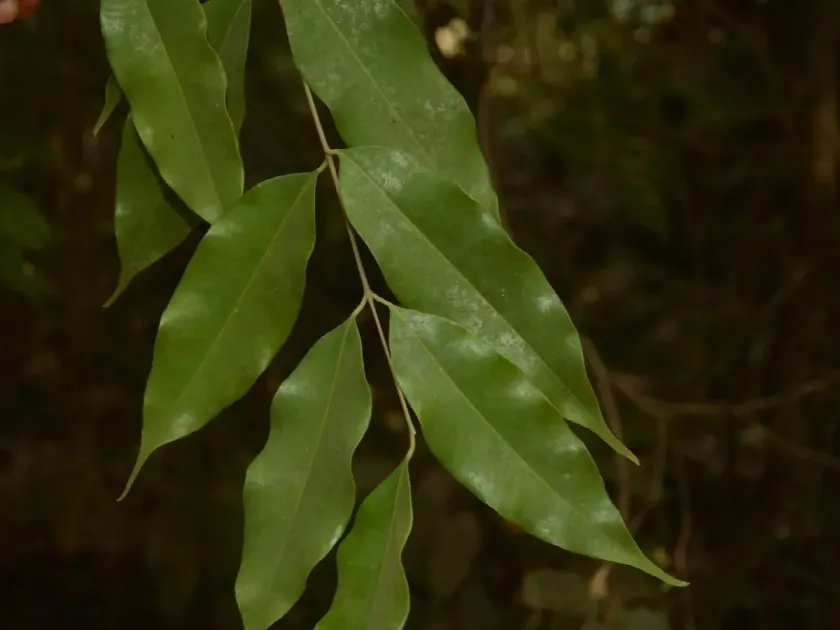
Description
Growing requirements
Syzygium gardneri is a perennial evergreen tree belonging to the Myrtaceae family, known for its distinct botanical structure and ecological adaptability. This species is native to the tropical forests of South Asia, particularly flourishing in humid and warm environments.
The plant thrives in nutrient-rich, well-draining soils with a slightly acidic to neutral pH. It requires consistent irrigation, especially during the dry season, to maintain optimal turgor pressure and support vigorous growth of the foliage and shoots.
Climate requirements include a frost-free environment with high ambient humidity. Temperatures below 10°C are generally detrimental to the plant's health, making greenhouse cultivation necessary in temperate regions to preserve the physiological integrity of the crop.
Agricultural management requires periodic pruning to maintain a manageable shape and improve light penetration. Fertilization should focus on balanced NPK ratios, supplemented with micronutrients, to ensure robust development and disease resistance throughout the growing season.
The cultural practices also emphasize soil aeration. Using organic mulching materials can help regulate soil temperature and retain moisture, simulating the natural forest floor conditions from which the plant originates.
Main diseases and pests
Disease management is critical, with fungal pathogens being the primary concern for Syzygium gardneri. Root rot and leaf spot are common issues triggered by poor drainage or excessive humidity in the canopy area during the rainy season.
Pest populations such as scale insects, mealybugs, and spider mites represent significant threats. These pests can rapidly colonize leaves and stems, causing yellowing, defoliation, and reduced vigor if left untreated by appropriate agrochemicals or biological controls.
Effective management includes integrated pest management (IPM) strategies, which prioritize regular scouting, pruning of infested parts, and targeted applications of pesticides only when necessary to minimize environmental impact.
Crop protection is significantly enhanced by providing proper spacing between plants to prevent the cross-contamination of diseases and ensure sufficient airflow. Maintaining a healthy balance of soil microorganisms can also suppress the prevalence of soil-borne pathogens.
- Regular monitoring for early signs of chlorosis.
- Sanitary pruning of dead or diseased biomass.
- Application of specialized fungicides during periods of high humidity.
- Implementation of mechanical barriers to deter larger herbivores.
- Use of neem-based oils for managing soft-bodied pests.