
Syzygium frutescens
Syzygium frutescens
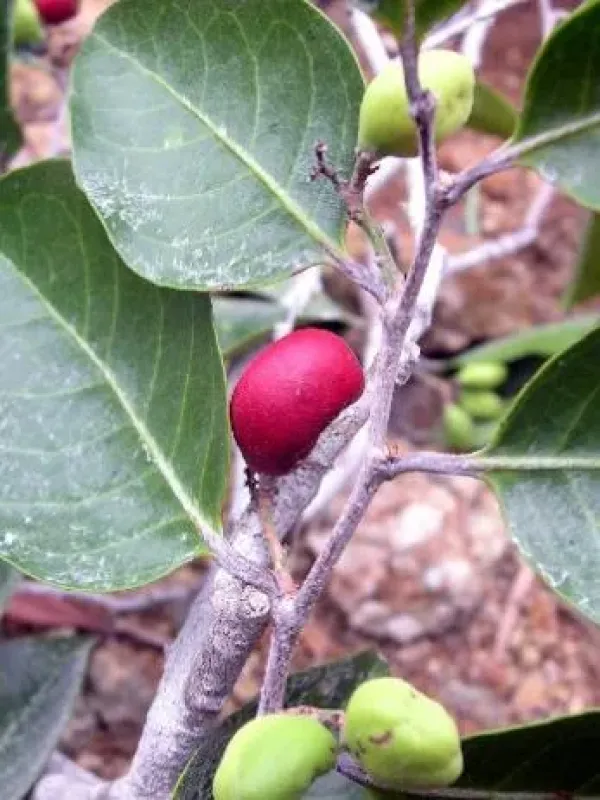
Description
Growing requirements
Syzygium frutescens is a distinctive woody shrub belonging to the Myrtaceae family. Native to tropical environments, this plant is characterized by its evergreen foliage and potential for intensive cultivation in suitable climate zones.
The crop thrives in tropical and subtropical climates where temperatures remain consistently between 22°C and 28°C. Protection from frost and extreme cold is mandatory, as even minor chilling can severely damage the plant's metabolic functions.
High-quality soil management is essential for Syzygium frutescens. The plant requires well-drained, fertile soil with a slightly acidic to neutral pH. Proper soil aeration is crucial to support the development of a healthy root system and avoid rot.
Watering strategies should focus on maintaining constant soil moisture without causing waterlogging. High humidity levels, ideally around 70-80%, are necessary to replicate the plant's native ecological niche.
Sufficient light is required for biomass production, yet direct intense sunlight can be detrimental in certain growth stages. Utilizing shade netting is a common agronomic practice to optimize light conditions and reduce physiological stress.
Main diseases and pests
The primary pests affecting this species include spider mites and scale insects. These pests often proliferate in environments with poor ventilation or inadequate humidity control, weakening the plant's structural integrity.
Root rot, driven by excessive soil moisture and poor drainage, represents the most significant phytopathological threat. This condition often results in rapid decline and necessitates strict irrigation management.
Fungal infections, such as leaf spot, are common in humid conditions. Integrated Pest Management (IPM) protocols, including the use of targeted fungicides and environmental control, are recommended for large-scale operations.
Regular monitoring of plant health allows for early detection of infestations. Manual removal of infected parts combined with biological or chemical control measures can successfully mitigate damage.
Maintaining a clean growing environment by removing fallen leaves and debris reduces the risk of harboring overwintering pests or dormant fungal spores near the crop.