
Syzygium forte
Syzygium forte
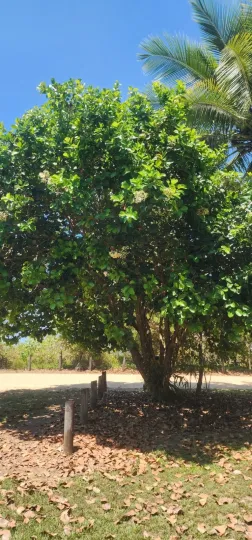
Description
Growing requirements
Syzygium forte is a robust evergreen tree species belonging to the Myrtaceae family. Native to the tropical regions of northern Australia, it typically inhabits humid forest ecosystems and riparian zones, where it benefits from consistent moisture and warm climates.
The tree thrives in environments with high annual temperatures, typically ranging between 20°C and 30°C. It lacks cold tolerance, making it strictly a tropical or sub-tropical crop that requires protection from any potential frost events during the cooler months.
Cultivation requires deep, well-draining soils with rich organic content. While the plant appreciates consistent soil moisture, waterlogging must be avoided to prevent root rot, especially during the seedling stage. A slightly acidic to neutral soil pH is considered ideal for nutrient uptake.
Agrotechnical management involves regular pruning to maintain a structured canopy, which helps improve airflow and reduces the risk of fungal infections. Providing shelter from strong winds is crucial, as the tree’s branches can be prone to mechanical breakage in exposed areas.
The economic value of Syzygium forte is derived from its high-density timber, which is appreciated for its durability and resistance to decay. Furthermore, the species plays a significant ecological role by providing habitat and food sources for local wildlife, contributing to biodiversity in tropical regions.
Main diseases and pests
Fungal pathogens, particularly leaf rust and spot diseases, represent the most common threat to the health of Syzygium forte. These issues are frequently aggravated by high atmospheric humidity and poor ventilation within the tree canopy.
Common pests include scale insects, mealybugs, and various species of mites. These organisms feed on the sap of young leaves and shoots, often leading to chlorosis, stunted development, and reduced overall vigor if left unmanaged.
Effective pest management involves integrated strategies, such as the use of systemic insecticides and the promotion of natural predators. Regular monitoring is essential, particularly during the onset of the wet season when pest populations tend to increase rapidly.
Sanitary pruning of infected branches is an important practice to mitigate the spread of pathogens. By removing damaged plant material, growers can significantly improve the health of the remaining tree structure and increase total yield.
Application of fungicides should be performed strictly in accordance with environmental safety guidelines. Proper irrigation practices, such as morning watering, help keep foliage dry and minimize the conditions favorable for fungal growth.