
Syzygium formosum
Syzygium formosum
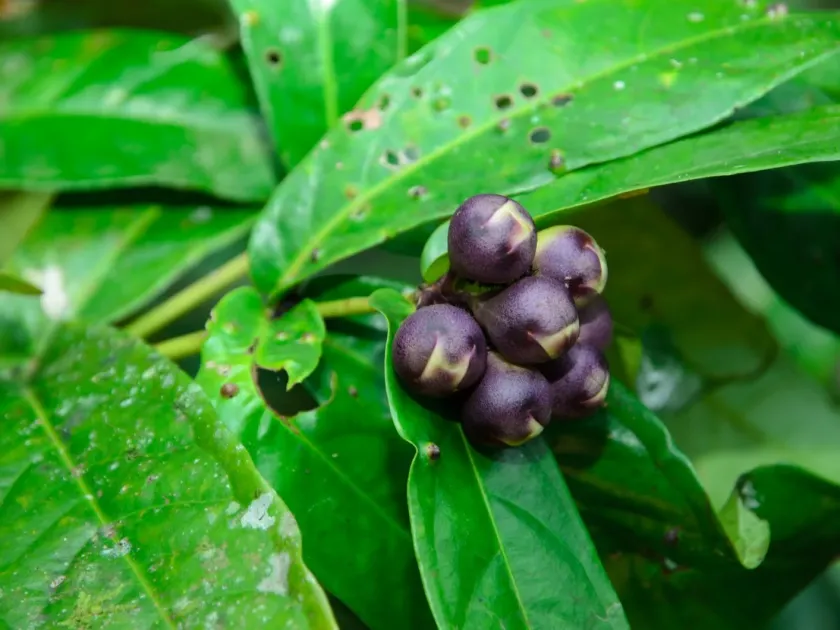
Description
Growing requirements
Syzygium formosum is a beautiful evergreen tree belonging to the Myrtaceae family. Native to tropical regions, it is known for its lush foliage and specific environmental adaptation needs.
The plant thrives in warm, humid climates where frost is absent. It requires deep, well-draining soil rich in organic matter to support its robust root system and sustained development.
Key environmental factors include constant moisture levels and protection from intense, direct solar radiation during the juvenile stages of growth. Temperatures should ideally stay within the 22–28 degrees Celsius range.
Agricultural management includes consistent irrigation to prevent soil from drying out, which can negatively affect the physiological processes of the tree.
Soil structure should be monitored to ensure it remains aerated, promoting oxygen intake for roots and preventing waterlogging that leads to root decay.
Yield
The cultivation of Syzygium formosum is primarily focused on fruit production and wood quality. It is a highly valued species in tropical garden ecosystems for its multipurpose nature.
Fruits are harvested when they reach full maturity to ensure the best flavor profiles. They are widely appreciated in regional culinary practices for their aromatic properties.
The timber of the tree is characterized by its density and resistance, making it suitable for high-end furniture manufacturing and construction tasks.
Yield performance is maximized through proper pruning, which allows for better light penetration throughout the canopy and encourages fruit bearing on inner branches.
Farmers are advised to use organic mulching and soil conditioning to maintain high productivity levels over the long lifespan of the tree.
Main diseases and pests
Fungal diseases pose a major threat, particularly in environments with stagnant air and high humidity. Regular canopy thinning is essential to maintain proper airflow.
Pests such as scale insects and spider mites frequently target the succulent parts of the tree. Integrated pest management strategies are essential for effective control.
Root zone pathogens can significantly impair the tree's health. Maintaining correct drainage and avoiding over-irrigation are the primary defensive measures for growers.
Early identification of pest outbreaks is crucial to prevent rapid infestation. Growers should monitor the underside of leaves where these pests typically aggregate.
Maintaining plant vitality through nutrient-rich fertilization helps the tree develop natural resistance against common environmental stressors and secondary infections.