
Syzygium formosanum
Syzygium formosanum
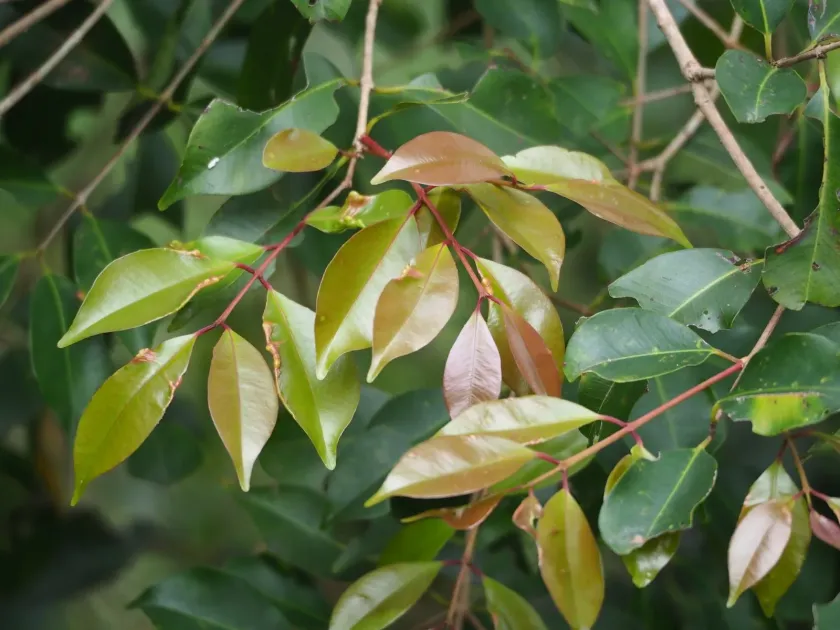
Description
Growing requirements
Syzygium formosanum is an evergreen woody plant belonging to the Myrtaceae family. Originally from Taiwan, this species is well-regarded for its dense foliage and adaptability in tropical and subtropical environments where warmth and humidity are consistent throughout the year.
The crop thrives in fertile, well-draining soils with a neutral or slightly acidic pH balance. Good soil aeration is essential for the plant, as the root system is highly sensitive to hypoxia caused by waterlogging, which can lead to quick decay and decline in vigor.
Climate requirements for this plant include high humidity levels and an ideal temperature range between 18 and 26 degrees Celsius. Exposure to temperatures below 10 degrees Celsius can cause significant damage or even death to the plant, especially in potted conditions.
Light requirements are substantial; the plant prefers bright, filtered sunlight to maintain its dense structure and deep leaf color. In indoor environments, placing the plant near a southern or eastern window is usually sufficient to support active growth.
Maintenance involves frequent irrigation to keep the substrate consistently moist but not saturated. During the active growing season, applying balanced, water-soluble fertilizers every few weeks encourages robust leaf production and healthy branching patterns.
Main diseases and pests
Common pests affecting Syzygium formosanum include spider mites, mealybugs, and scale insects. These pests thrive in dry environments and can quickly infest the undersides of leaves and young, succulent stems, causing yellowing and premature leaf drop.
Management of pest populations relies heavily on monitoring and maintaining appropriate humidity. If an infestation occurs, horticultural oils or systemic insecticides are recommended to control the population before significant damage to the plant structure takes place.
Root rot, primarily caused by species of Phytophthora or Pythium, is a major threat linked to poor soil drainage and excessive watering. This disease is often fatal if not diagnosed early, necessitating the removal of affected roots and repotting in fresh substrate.
Fungal leaf spot diseases may appear during periods of high humidity and poor air circulation. Symptoms often manifest as darkened lesions on the leaf surface, which can spread rapidly if the environment remains stagnant and humid for too long.
Preventive measures include ensuring adequate spacing between plants to improve airflow and avoiding overhead irrigation that leaves water on the foliage for extended periods. Regular inspection is the most effective tool for long-term health maintenance.