
Syzygium floribundum
Syzygium floribundum
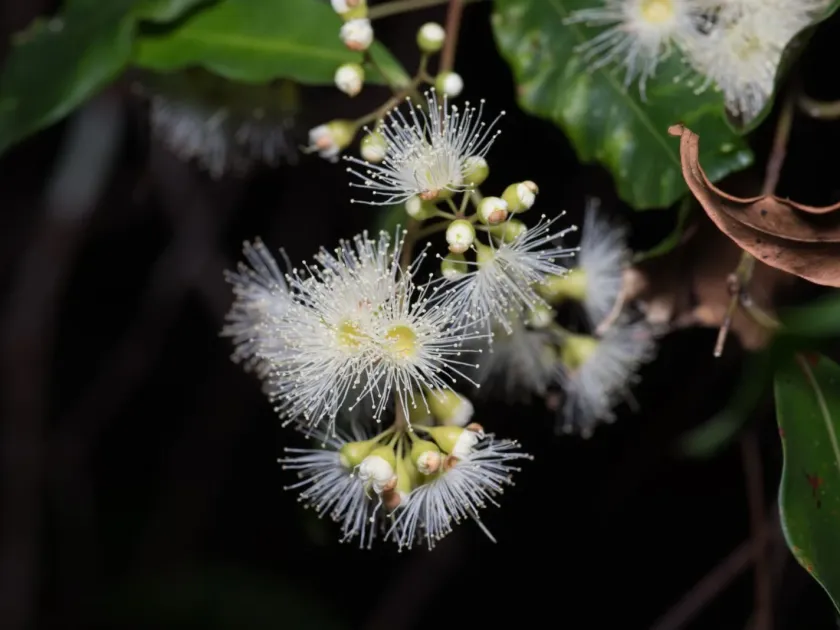
Description
Sowing dates
Propagation of Syzygium floribundum is primarily performed through seeds or stem cuttings. Since the seeds have a relatively short viability period, they should be sown immediately after harvesting into a moist, nutrient-rich potting medium.
The optimal time for sowing is during the spring season when temperatures are consistently warm. Maintaining a temperature range of 25 degrees Celsius and high humidity is crucial for successful germination in nursery conditions.
Cuttings are used to ensure the preservation of desirable traits from the parent plant. Semi-hardwood cuttings are taken and treated with rooting hormones before being placed in a well-drained substrate, such as a mixture of sand and peat.
Transplanting seedlings to their permanent location must occur only after all risks of frost have passed. Young trees require careful monitoring and shade during their initial growth stages to protect them from excessive heat and direct sunlight.
The planting density is determined by the intended use, whether for windbreaks or ornamental displays. A spacing of 2 to 4 meters between trees is generally recommended to provide sufficient room for healthy root system development and canopy expansion.
Growing requirements
Syzygium floribundum is a notable species within the Myrtaceae family, native to tropical and subtropical regions. It thrives in environments that provide consistent warmth and abundant moisture throughout the growing season.
The plant prefers fertile, well-draining soils with a pH ranging from neutral to slightly acidic. Effective drainage is paramount, as waterlogged conditions can quickly lead to root rot and other physiological disorders in the species.
While the tree is light-demanding, young specimens benefit from filtered sunlight. Mature trees can withstand full sun exposure, which enhances foliage density and promotes more profuse flowering during the reproductive stage.
Atmospheric humidity is a critical factor for the vigor of this tree. In areas where ambient humidity drops below 60 percent, irrigation of the canopy and the surrounding environment is necessary to prevent leaf drop and stress.
Standard agronomic practices include the application of balanced NPK fertilizers during the growing season. Supplementing with organic matter, such as compost, improves soil structure and ensures the availability of micronutrients required for healthy biomass accumulation.
Yield
The economic utility of Syzygium floribundum spans multiple sectors. As an ornamental tree, it is highly valued in landscape architecture for its elegant growth habit, attractive foliage, and seasonal display of flowers.
The timber of the tree is recognized for its durability and resistance to decay, making it a viable resource for specialized construction and carpentry. Sustainable harvesting programs are essential to maximize the longevity of such stands.
Its fruits serve as a potential nutritional resource. Although not widely commercialized, they contain beneficial antioxidants and are often harvested for local consumption in various food preparations, including jams and refreshments.
Crop productivity is directly tied to pruning and canopy management. Strategic pruning not only shapes the tree for aesthetic purposes but also encourages the development of new, healthy shoots and improves overall plant architecture for easier harvesting.
Fruit harvesting should be conducted manually when the fruits have reached full maturity. Careful handling is required during collection and storage to prevent bruising and to maintain the quality of the produce for the market.
Main diseases and pests
Syzygium floribundum is susceptible to several pathogens commonly associated with the Myrtaceae family. Powdery mildew is a prevalent issue, particularly in environments with poor air circulation and excessive foliage humidity.
Pests such as scale insects and spider mites are frequent threats that can significantly weaken the plant. These pests feed on sap, which can cause leaf yellowing, distorted growth, and reduced vitality if left uncontrolled.
Root rot is a major risk, often triggered by improper irrigation or the use of heavy, compacted soil. Regular inspections of the root zone and adjustments to water drainage systems are necessary preventative measures.
Integrated pest management, including the use of targeted biological controls and safe insecticides, is recommended to mitigate the impact of infestations. Early detection during routine field inspections is key to preventing large-scale damage.
- Pruning to ensure adequate air circulation within the canopy.
- Implementation of regular monitoring for early signs of disease.
- Sterilization of pruning tools to prevent the spread of pathogens.