
Syzygium fibrosum
Syzygium fibrosum
Description
Growing requirements
Syzygium fibrosum, commonly known as fibrous satinash, is an evergreen tree belonging to the Myrtaceae family, native to tropical North Queensland.
The plant thrives in warm, humid tropical environments and requires protection from frost and cold winds to maintain its vigorous growth habit.
It prefers deep, fertile, and well-drained soils, ideally with a slightly acidic pH, rich in organic matter to support its extensive root system.
Consistent soil moisture is essential for the tree's health, although it is crucial to ensure that the site does not suffer from waterlogging.
Adequate spacing is required in agricultural settings to ensure sufficient light penetration and airflow, which is critical for preventing physiological stress.
Yield
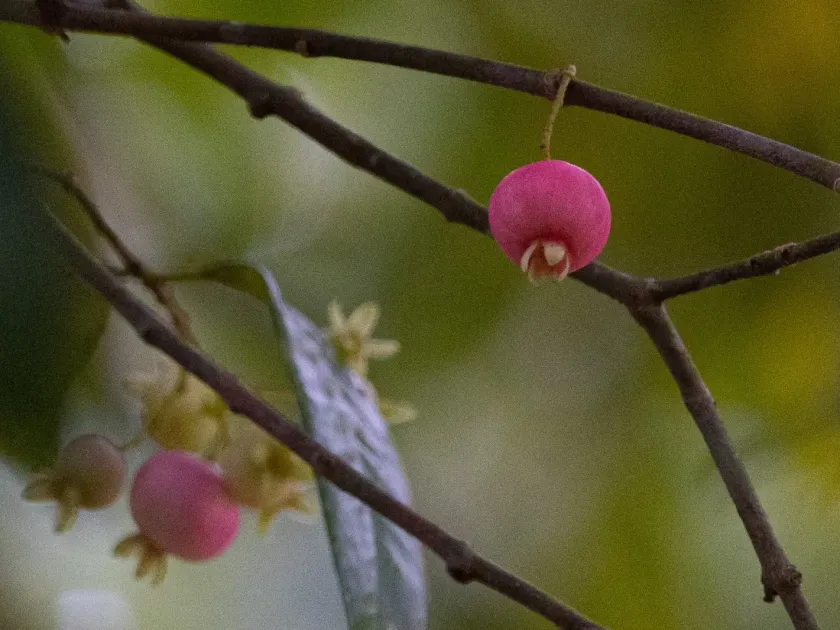
The fruit of Syzygium fibrosum is a fleshy, rounded berry that turns a vibrant pink or reddish-purple when it reaches peak maturity.
These fruits are edible and favored for their crunchy texture and refreshing, tangy flavor, making them excellent for fresh consumption.
In culinary applications, the berries are highly sought after for creating high-quality preserves, jellies, syrups, and various fruit-based desserts.
Beyond its fruit production, the species serves an important role in restoration ecology by providing a reliable food source for native wildlife and birds.
The tree's aesthetic appeal, marked by fluffy white stamens during the flowering period, makes it a popular choice for ornamental landscape architecture.
Main diseases and pests
The primary agronomic threat to Syzygium fibrosum is Myrtle Rust, a significant fungal disease that affects many plants within the Myrtaceae family.
Scale insects and mealybugs can pose a persistent challenge, necessitating integrated pest management strategies to protect the tree's vigor.
Leaf-eating caterpillars may occasionally cause damage to the foliage, especially during the flush of new growth in the early tropical wet season.
Effective management involves maintaining high sanitation standards, including the prompt removal of any dead or dying branches from the tree canopy.
Applying beneficial insect populations or horticultural oils can help manage minor pest outbreaks without compromising the fruit quality for consumption.