
Syzygium fergusonii
Syzygium fergusonii
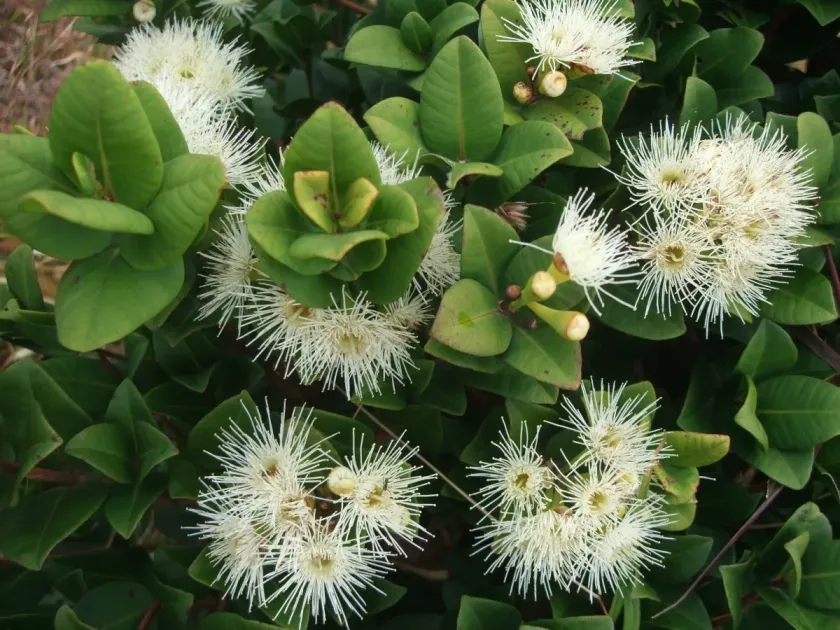
Description
Growing requirements
Syzygium fergusonii is an evergreen tropical tree belonging to the Myrtaceae family. This species is endemic to the island of Sri Lanka and thrives in moist tropical forest ecosystems.
The plant has strict temperature requirements: it does not tolerate frost and requires a consistently warm climate with minimal seasonal fluctuations. The optimal temperature range for growth is +22°C to +30°C.
Successful cultivation requires soil rich in organic matter with excellent drainage capabilities. Waterlogging in the root zone can lead to the development of fungal diseases and the death of young seedlings.
Air humidity plays a decisive role in the tree's development. Syzygium fergusonii performs best in conditions of high relative humidity, typical for zones with abundant rainfall throughout the year.
In its natural habitat, the tree prefers semi-shaded or lightly lit areas. For intensive commercial cultivation, protection from direct midday sun is necessary to prevent leaf scorching.
Yield
The economic use of Syzygium fergusonii is primarily limited to its valuable timber and its potential in horticulture. Unlike common fruit-bearing syzygium varieties, this species is less frequently grown as a commercial agricultural crop.
The fruits of this species are edible, though their yield on an industrial scale is not the primary objective. Its main value lies in biological diversity and its use as a decorative element in tropical landscaping.
Syzygium wood is characterized by high density and durability, making it suitable for crafting small decorative items. However, the slow growth rate of the tree limits the possibility of producing large commercial timber volumes.
With selective breeding, it may be possible to increase fruit yields, but currently, the crop remains a niche entity. Consistent application of complex fertilizers during the growing season is required to ensure steady development.
Economic viability depends directly on creating conditions that mirror its natural habitat. With proper maintenance, the tree can sustain its productivity and ornamental qualities for decades.
Main diseases and pests
Among the most dangerous pests are various species of scale insects and mealybugs, which suck sap from young shoots. Systemic insecticides or biological control methods are applied for effective management.
Excessive soil moisture coupled with poor aeration triggers the development of root rots, caused by pathogenic fungi from the Phytophthora genus. Prevention consists of proper drainage system planning and strict irrigation control.
Leaf spots are a common issue arising from poor agricultural practices. Pruning affected plant parts and applying copper-based fungicides help stop the spread of the infection.
The limited genetic pool makes the crop vulnerable to specific viruses transmitted by insect vectors. Regular monitoring of the canopy allows for the early detection of localized outbreaks.
Weeds surrounding young trees compete for essential nutrients. Mulching the root zone helps not only to suppress weed growth but also to maintain soil moisture at an optimal level.