
Syzygium eugenioides
Syzygium eugenioides
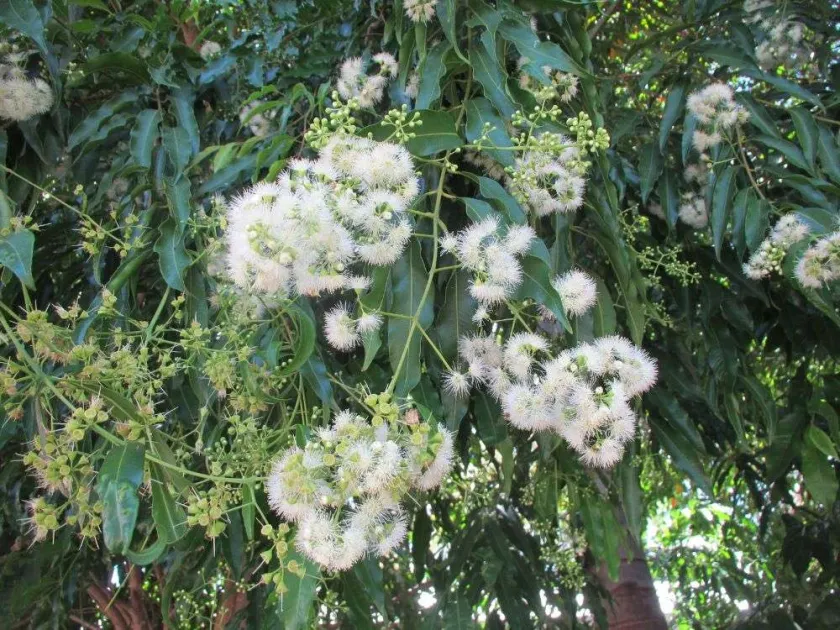
Description
Growing requirements
Syzygium eugenioides is a resilient evergreen species belonging to the Myrtaceae family. It is widely recognized for its dense, glossy foliage and its ability to withstand intensive shaping, making it a valuable asset in tropical ornamental agriculture.
The plant thrives in warm, humid climates and is highly intolerant to frost. For optimal agricultural results, temperatures should remain consistently between 20°C and 28°C. Cold spells can cause severe tissue damage and significantly hinder the plant's growth cycles.
Regarding soil requirements, the species necessitates well-drained, fertile soil with an acidic to neutral pH profile. Proper drainage is the most critical factor, as stagnant water in the root zone quickly leads to root rot and pathogen colonization.
The light demand is relatively high; while the plant can adapt to partial shade, full sun exposure is preferred to ensure a dense branching structure. Proper light penetration is essential for maintaining the health of the lower canopy and promoting secondary shoot growth.
Economic utilization of the species focuses primarily on landscaping and urban forestry. Additionally, the fruit produced by the tree is utilized in local food systems, contributing to the biodiversity of tropical cropping landscapes.
Main diseases and pests
Fungal infections, particularly powdery mildew and leaf spot diseases, represent the most frequent threat to the crop. These pathogens thrive in conditions with high humidity and poor air circulation, necessitating careful spacing of trees.
Common pests such as scale insects and spider mites frequently colonize the foliage, particularly in greenhouse or nursery conditions. Their activity results in leaf yellowing, stunting, and the excretion of honeydew, which may invite sooty mold growth.
Management of these pests requires a combination of early detection and the targeted use of horticultural oils or systemic insecticides. Regular inspections of the canopy are vital to prevent the rapid spread of infestations across the plantation.
Mineral imbalances, specifically magnesium or iron deficiencies, often manifest as leaf chlorosis. Growers must conduct regular soil and tissue analysis to adjust fertilization programs, ensuring the plants receive adequate micronutrients.
Sanitation is a cornerstone of the agronomic management for this species. Prompt removal of dead wood and diseased branches reduces the overall pathogen load in the immediate environment, ensuring the longevity of the individual specimens.