
Syzygium eucalyptoides
Syzygium eucalyptoides
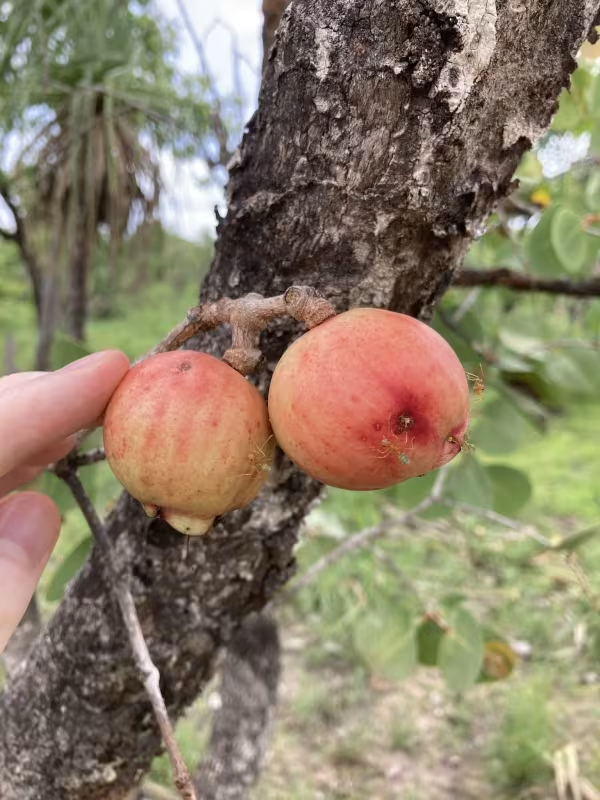
Description
Growing requirements
Syzygium eucalyptoides belongs to the Myrtaceae family, sharing common characteristics with other members like eucalyptus, including volatile oil production and tough, leathery foliage. It is a robust evergreen tree often found in tropical riparian ecosystems.
The species is native to Northern Australia and parts of Indonesia. It thrives in regions where tropical monsoonal patterns provide distinct wet and dry seasons, allowing the tree to maintain growth when water availability is sufficient in the substrate.
Climate requirements involve high annual temperatures and a frost-free environment. Exposure to cold temperatures significantly inhibits metabolic processes and can cause permanent damage to the canopy structure, making it unsuitable for temperate agricultural zones.
Soil conditions must be balanced, focusing on good drainage to prevent waterlogging. The tree prefers slightly acidic to neutral soils. In cultivation, incorporating organic mulch helps maintain soil moisture while protecting the shallow root system from excessive heat.
Agronomic management requires consistent monitoring for nutrient deficiencies. Fertilizer application should be focused on the early stages of establishment. Regular pruning is also recommended to manage the density of the crown and ensure optimal light penetration.
Main diseases and pests
Typical threats include various lepidopteran pests and wood-boring beetles that can damage the trunk. Fungal pathogens, particularly those causing leaf spot or root rot, are significant risks in high-humidity environments with stagnant air circulation.
Harvesting
The tree is primarily utilized for its durable timber, which is valued for construction and tool handles in its native range. Furthermore, its flowers are considered a valuable resource for apiculture, producing high-quality nectar for local honey production.