
Syzygium cymosum
Syzygium cymosum
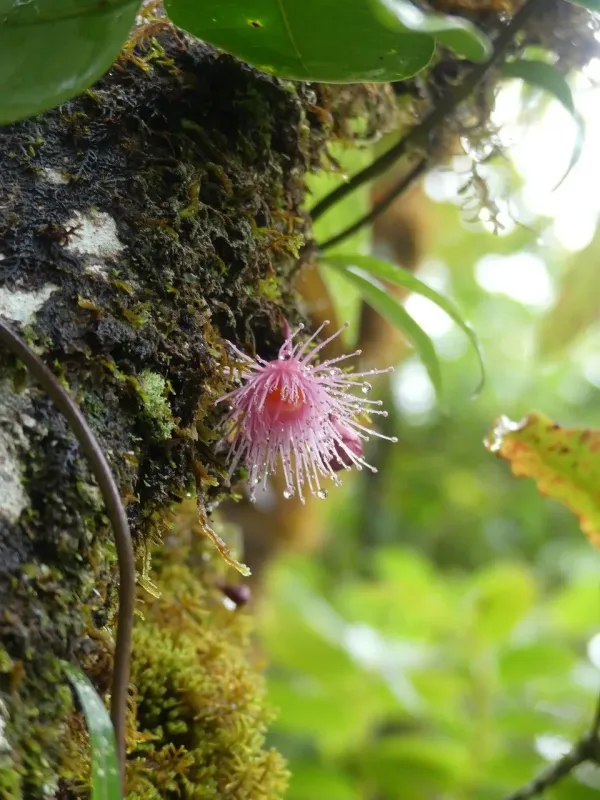
Description
Growing requirements
Syzygium cymosum belongs to the Myrtaceae family, which is well-known for its diverse evergreen tree species. This plant thrives in tropical and subtropical regions, showcasing significant ornamental and industrial potential.
Originating from the dense forests of Southeast Asia and Australia, this species demands specific climatic conditions. It flourishes in areas with high ambient humidity and year-round temperatures, avoiding extreme heat or cold exposure.
Soil requirements for optimal growth include fertile, well-draining substrates rich in organic matter. Proper aeration of the root system is essential to prevent physiological stress, especially during the initial growth phases.
For successful cultivation, the plant requires filtered light conditions. In its native habitat, it grows in the understory, meaning it prefers protection from intense, direct sunlight, which can damage the tender, developing foliage.
The economic utility of the species is multifaceted, ranging from reforestation projects to the harvest of durable wood for high-end furniture. Additionally, the essential oils extracted from the leaves are recognized for their bioactive properties.
Main diseases and pests
Root rot caused by fungal pathogens is the primary threat to the crop, often exacerbated by stagnant water or poor soil drainage. Maintaining a strict irrigation schedule is crucial to mitigate these soil-borne risks.
Pest pressure frequently involves scale insects and mealybugs, which feed on the sap of young branches. These pests can significantly reduce the vitality of the plant if left untreated during early colonization.
In humid, stagnant air environments, fungal foliage diseases can emerge, necessitating improved planting spacing. Proper canopy management ensures adequate airflow, which is a key component of integrated pest management.
Environmental stress can make the trees more susceptible to bark infections. Keeping the trunks clear of debris and performing clean pruning cuts help reduce the entry points for pathogens and opportunistic bacteria.
Effective management requires a combination of routine visual inspections and preventive horticultural practices, ensuring the long-term health and growth efficiency of the stand.