
Syzygium corynanthum
Syzygium corynanthum
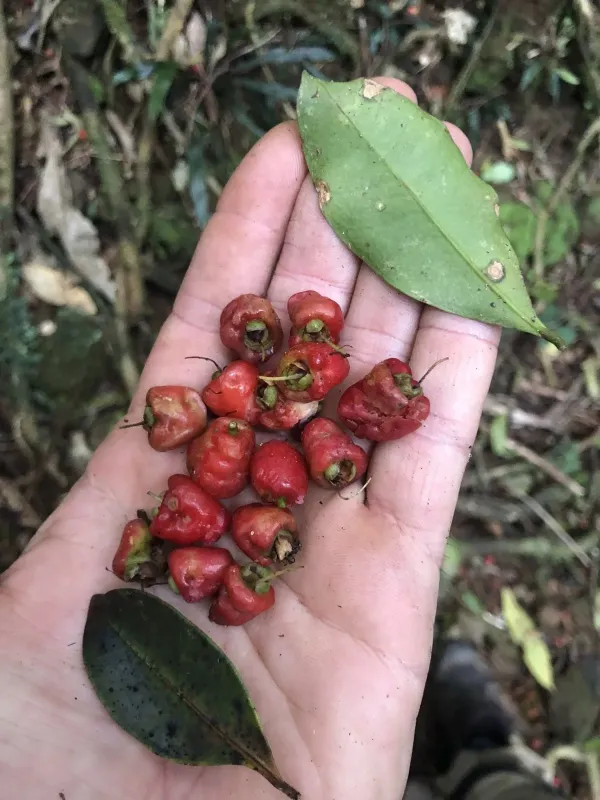
Description
Growing requirements
Syzygium corynanthum is an evergreen tree species belonging to the Myrtaceae family. It is widely recognized for its dense, glossy foliage and elegant structure, which makes it a notable member of the rainforest flora in its native habitat.
Originating from the tropical rainforests of Queensland and New South Wales in Australia, this plant thrives in environments characterized by high humidity and consistent warmth. It is an essential component of local ecosystems and biodiversity.
The cultivation of this species requires well-draining, nutrient-rich soils with a neutral pH level. As a moisture-loving plant, it demands consistent irrigation, especially during the establishment phase, to ensure healthy root development.
For optimal growth, Syzygium corynanthum requires a bright location, ideally with full sunlight for mature specimens. Young plants may benefit from partial shade to protect their delicate foliage from intense heat during the peak hours of the day.
Agricultural management includes balanced fertilization during the active growing season and periodic mulching to retain soil moisture. Regular monitoring of the canopy ensures that the tree maintains its aesthetic form and structural integrity.
Main diseases and pests
The main pests that affect Syzygium corynanthum include scales and mealybugs, which tend to congregate on young shoots and the undersides of leaves. These pests can weaken the plant by extracting essential sap.
Fungal diseases, particularly leaf spot, often appear in conditions with poor airflow and high humidity. Maintaining adequate spacing between trees and performing regular thinning cuts can significantly reduce the risk of infection.
Root rot is a critical concern, especially in container gardening or areas with poor soil drainage. Ensuring that water flows freely through the root zone is vital to avoid anaerobic conditions that promote fungal activity.
In certain regions, caterpillars and beetles may cause significant defoliation during the spring months. Integrated pest management strategies, such as attracting natural predators, are often effective in controlling these outbreaks.
Overall plant health is highly dependent on environmental stability. Proper sanitation, such as removing fallen debris from the base of the tree, helps prevent the overwintering of pathogens and harmful insect larvae.