
Syzygium cormiflorum
Syzygium cormiflorum
Description
Growing requirements
Syzygium cormiflorum is a member of the Myrtaceae family. Native to the tropical rainforests of Queensland, Australia, it is an evergreen tree adapted to high-humidity environments.
The plant requires a stable tropical climate with consistent temperatures and protection from cold winds or frost, which are detrimental to its growth and development.
Soil requirements involve well-drained, nutrient-rich substrates, ideally with a high content of organic matter, which reflects its natural forest floor habitat.
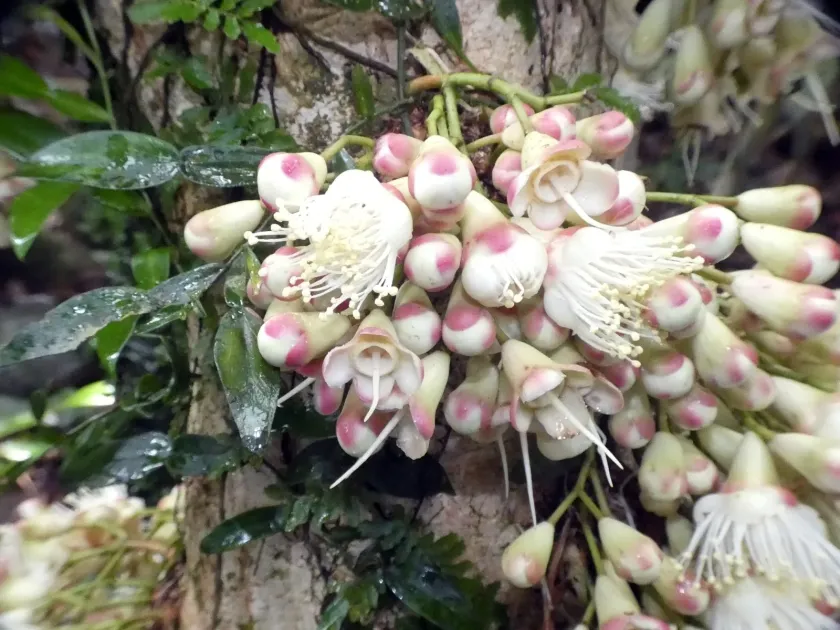
A distinctive feature of the species is cauliflory, where flowers and subsequent fruits emerge directly from the woody trunk and thick branches rather than small twigs.
Propagation is primarily achieved through fresh seeds, which lose viability quickly, requiring immediate sowing into a moist and aerated growing medium.
Yield
The main agricultural output is its edible fruit, which is harvested for fresh consumption. The fruit has a crisp, apple-like texture and a sweet, refreshing flavor profile.
Beyond culinary uses, the tree serves as a significant ornamental specimen in tropical landscaping, valued for its striking floral displays on the bark.
The timber produced by this species is known for its durability and density, making it suitable for specialized woodworking and artisanal tool manufacturing.
Under optimal tropical conditions, established trees can produce multiple harvests throughout the year, contributing to its value as a food source in local settings.
Current agricultural interest remains focused on conserving genetic diversity and studying the potential for small-scale commercial cultivation in climate-suitable zones.
Main diseases and pests
Pests such as leaf-eating insects and scale insects are common threats, especially when the tree is grown outside its natural forest protection.
Fungal pathogens causing leaf spots and blight are typical problems, usually exacerbated by poor air circulation and excessive ambient moisture in the canopy.
Root rot is a critical risk factor, primarily associated with waterlogged soil conditions and poor drainage management in the plantation area.
Soil-borne nematodes can hinder the establishment of young saplings, making site selection and soil preparation vital stages of the agricultural cycle.
Integrated pest management, including regular pruning for airflow and biological control, is necessary to maintain tree health and ensure consistent fruit quality.