
Syzygium coarctatum
Syzygium coarctatum
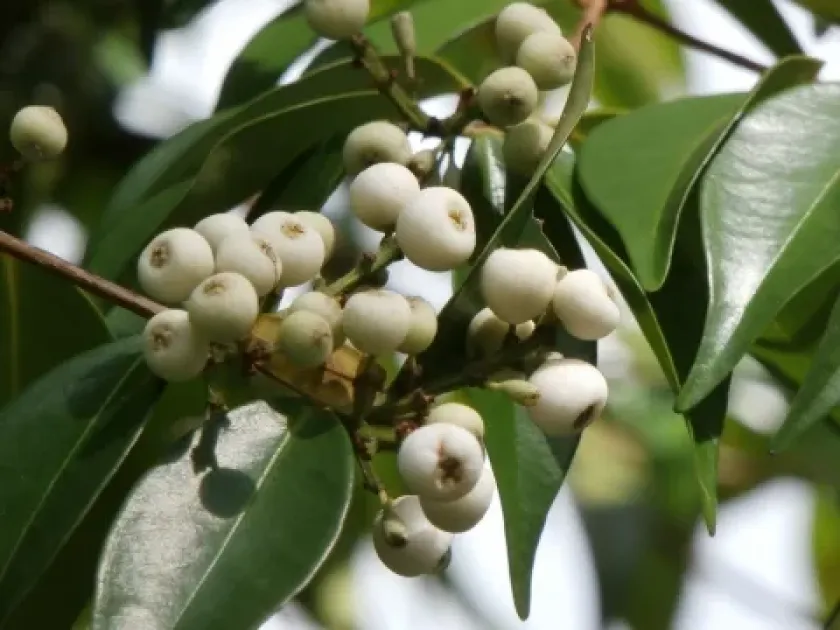
Description
Growing requirements
Syzygium coarctatum is a species of flowering plant belonging to the Myrtaceae family. It is a robust evergreen tree often found in tropical environments, recognized for its botanical significance and potential as a commercial crop.
Originating from South and Southeast Asia, this species thrives in tropical climates characterized by high humidity and consistent warmth. It is well-adapted to forest understory and open woodland conditions within its native range.
The crop requires fertile, well-draining soil to perform optimally. Farmers should ensure that planting sites are free from waterlogging, as the root systems of Syzygium species are highly sensitive to anaerobic conditions in the soil.
Regarding climate, the plant requires consistent moisture levels. In agricultural practice, maintaining soil humidity while allowing for adequate drainage is the key to healthy foliage and fruit production.
The primary economic use of this plant revolves around its edible fruit, which serves as a food source in local markets. Furthermore, the wood and botanical extracts are occasionally utilized in traditional local industries.
Main diseases and pests
The plant is susceptible to common tropical fungal diseases, particularly those that impact leaf health during the rainy season when humidity levels remain high for extended periods.
Pests such as scale insects, aphids, and mites are known to infest the plant, typically congregating on the undersides of leaves or tender new growth, which can stunt the development of the tree.
Maintaining proper tree spacing is a critical cultural practice; it improves airflow through the canopy, which effectively reduces the likelihood of fungal outbreaks and pest colonization.
Integrated pest management strategies should include regular monitoring and the use of targeted biological controls to manage insect populations without harming the beneficial ecosystem.
Nutrient management is also vital, as healthy, well-fertilized trees possess higher natural resistance to pathogen attacks and can recover more rapidly from pest infestations.