
Syzygium claviflorum
Syzygium claviflorum
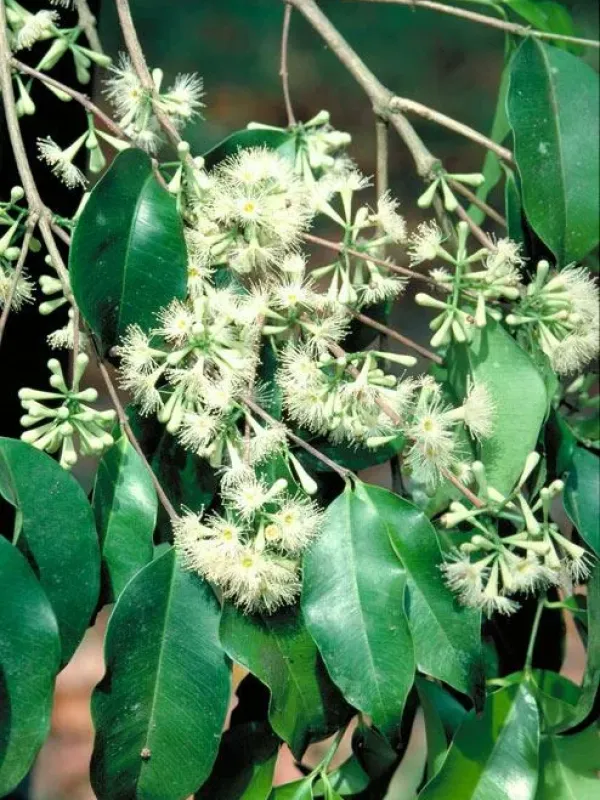
Description
Growing requirements
Syzygium claviflorum is a notable species within the Myrtaceae family, indigenous to the tropical regions of Southeast Asia. It is highly valued for its ecological adaptability and potential utility in tropical agriculture.
The plant thrives in warm, humid climates and is intolerant of temperatures near or below freezing. It requires a stable tropical environment with consistent warmth throughout the year to maintain its growth cycles.
Soil requirements focus on high organic matter content, excellent drainage, and a slightly acidic to neutral pH. Proper soil structure is critical to prevent root suffocation, which the plant is highly sensitive to.
Light levels should be bright and indirect, as intense direct sunlight can cause leaf scorching, particularly in younger specimens. High atmospheric humidity is essential for optimal physiological function.
Cultivation practices involve routine pruning to encourage branching and airflow within the canopy. Consistent watering schedules combined with regular fertilization are vital for maintaining robust plant health.
Yield
The economic value of Syzygium claviflorum is derived from its edible fruit and its utility in traditional medicine and forestry. Productive yields are achieved when the plant reaches maturity under ideal site conditions.
Crop management focuses on optimizing fruit set through proper nutrient administration during the flowering phase. Adequate irrigation is mandatory during the expansion of the fruit to ensure quality and size.
Harvesting is typically performed manually due to the delicate nature of the fruits. Proper post-harvest handling, including rapid cooling, is necessary to extend shelf life and maintain marketability.
In addition to primary produce, secondary metabolites found in the leaves and bark have potential applications in the essential oil industry. This adds significant value to the overall crop cycle.
Sustainable agricultural practices, such as mulching and cover cropping, contribute to long-term soil fertility and yield stability on plantations dedicated to this species.
Main diseases and pests
Typical pests affecting this species include scale insects and mealybugs, which sap nutrients and provide entry points for secondary viral or fungal infections in the plant tissues.
Fungal pathogens pose a major risk, especially in low-light and high-moisture conditions. Root rot is a common issue if the drainage systems are not effectively managed by the plantation staff.
Sanitation practices, including the removal of deadwood and infected foliage, are the first line of defense. Keeping the orchard floor clean prevents the accumulation of inoculum.
Integrated pest management strategies should prioritize the use of natural predators and biological control agents to manage populations of sap-sucking insects before resorting to chemical interventions.
Monitoring for signs of stress, such as yellowing leaves or stunted growth, allows for early intervention and ensures that the overall vigor of the plantation is preserved against unforeseen threats.