
Syzygium caryophyllatum
Syzygium caryophyllatum
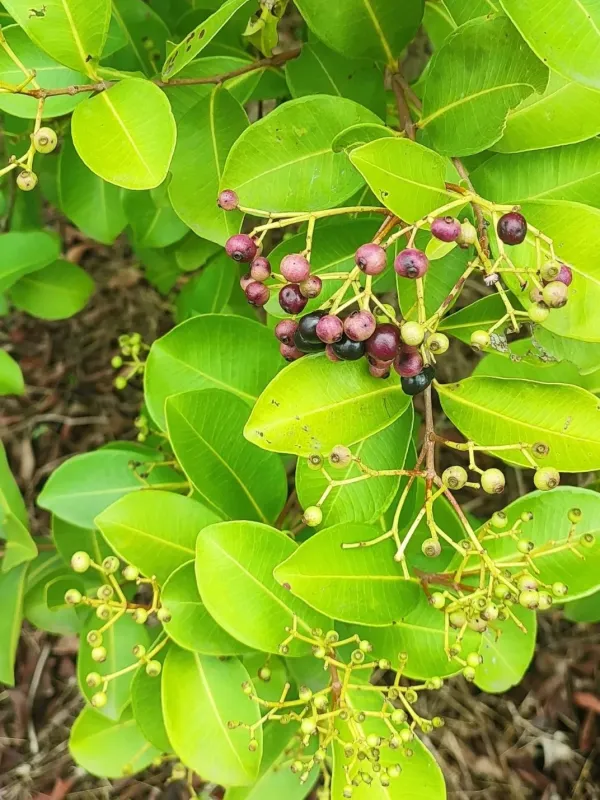
Description
Growing requirements
Syzygium caryophyllatum is a distinguished member of the Myrtaceae family. It is an evergreen woody species that thrives in the dense, moist tropical environments typical of South Asia, specifically in regions across India and Sri Lanka.
This species is well-adapted to high-humidity climates where thermal fluctuations remain minimal throughout the year. It performs best in deep, fertile soils that are rich in organic matter and possess excellent drainage capabilities to prevent root hypoxia.
Cultural practices demand consistent irrigation, particularly during the establishment phase. While the tree can tolerate partial shade, it requires adequate light exposure to maximize foliage density and promote healthy fruit development.
Agricultural management includes precise pruning strategies to maintain canopy ventilation. This is crucial for avoiding stagnant moisture within the foliage, which is a precursor to several localized physiological issues in tropical arboriculture.
Beyond its ornamental appeal, the species is valued for its fruits, which are consumed locally. The plant also holds potential in the extraction of aromatic compounds, a common trait among species within the extensive genus Syzygium.
Main diseases and pests
The primary pathological threats to this species involve fungal infections, particularly leaf spot diseases that can spread rapidly in high-humidity conditions. Maintaining good airflow through strategic spacing is the most effective preventative measure.
Pest management focuses on sap-sucking insects such as scale insects and mealybugs. Regular monitoring of the underside of leaves and the bark is essential to detect infestations before they impact the vigor of the tree.