
Syzygium bungadinnia
Syzygium bungadinnia
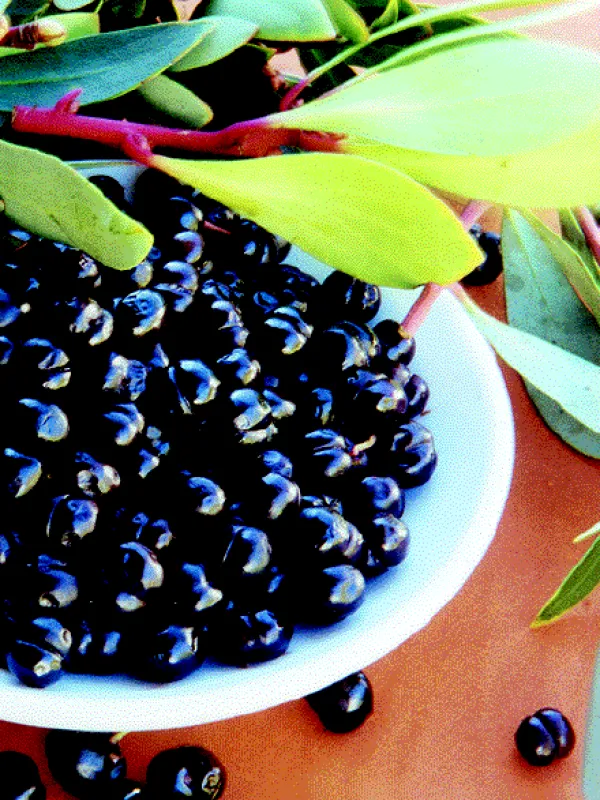
Description
Growing requirements
Syzygium bungadinnia is a member of the Myrtaceae family, native to the tropical rainforests of Australia. This evergreen tree is known for its dense canopy and edible fruits, making it a unique botanical specimen for exotic fruit collectors.
The plant thrives in a tropical climate, requiring high humidity and consistently warm temperatures. It is highly susceptible to frost and should be cultivated in greenhouses or indoor environments in temperate zones where thermal regulation is possible.
Optimal growth requires well-draining, nutrient-rich, slightly acidic soil. The root system is sensitive to waterlogging, so maintaining proper moisture balance is critical for long-term health and fruit production of the tree.
Agrotechnical management involves regular fertilization during the growing season with balanced nitrogen-rich compounds. Pruning is essential to maintain the structural integrity of the tree and to promote air circulation within the foliage.
In terms of usage, the fruit is locally appreciated for its refreshing taste and versatility in culinary preparations, including jams and preserves. The plant is also valued for its ornamental appeal in tropical landscape designs.
Main diseases and pests
Common pathological issues include fungal infections such as leaf spots and powdery mildew, which are often triggered by stagnant air and excessive surface moisture. Ensuring proper ventilation is the most effective preventative measure.
Pests that frequently target this species include scale insects and spider mites. Regular monitoring and the application of horticultural oils can effectively manage these populations without causing long-term damage to the tree.