
Syzygium buettnerianum
Syzygium buettnerianum
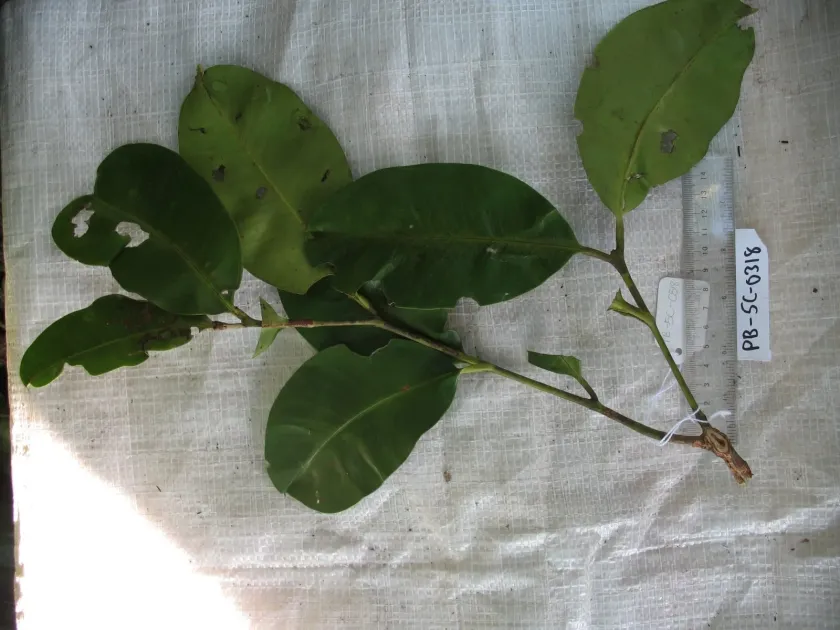
Description
Growing requirements
Syzygium buettnerianum is an evergreen tropical tree belonging to the Myrtaceae family. Native to the dense, humid forests of Africa, this species thrives in environments characterized by high precipitation and consistent year-round warmth.
Botanically, the plant is distinguished by its leathery, oil-rich foliage and its ability to develop a dense canopy. The tree's root system is well-adapted to nutrient-rich soils and deep organic layers, reflecting its evolutionary trajectory within tropical biomes.
Successful cultivation requires a climate that strictly avoids temperatures below 15 degrees Celsius. Humidity is a critical factor for the plant’s health; therefore, cultivation is typically limited to tropical climates or specialized greenhouse environments with controlled vapor pressure.
The soil profile for optimal growth should be rich in organic matter and possess excellent drainage properties. While the plant appreciates moisture, waterlogged substrates are detrimental and can quickly lead to physiological stress and root system degradation.
Economically, the species is primarily of interest for its scientific potential and as a botanical specimen. Its woody tissue and chemical profile are topics of study in various fields, ranging from timber characteristics to the pharmacological potential of its extracts.
Main diseases and pests
Fungal diseases constitute the primary threat to the stability of the crop, particularly when ventilation is poor. Pathogens can manifest as leaf spots or stem lesions, often triggered by prolonged exposure to high humidity coupled with stagnant air.
Insect pests, such as scales and mealybugs, are frequent invaders that target the nutrient-rich sap of the plant. These pests can rapidly proliferate, causing stunted growth, leaf chlorosis, and a significant reduction in the plant's overall vitality.
Effective pest management involves regular inspections and the application of integrated pest management (IPM) strategies. Physical removal of pests and the introduction of natural predators are preferred methods to minimize reliance on synthetic chemical applications.
Sanitation practices, such as removing fallen leaves and pruning dead wood, play a vital role in preventing the recurrence of disease. Maintaining clean equipment is also essential to ensure that pathogens are not transmitted between plants during routine care.
Soil-borne pathogens represent a hidden danger that can be mitigated through proper fertilization and substrate management. Ensuring a balanced nutritional intake strengthens the plant's natural defense mechanisms against common environmental stressors.