
Syzygium borneense
Syzygium borneense
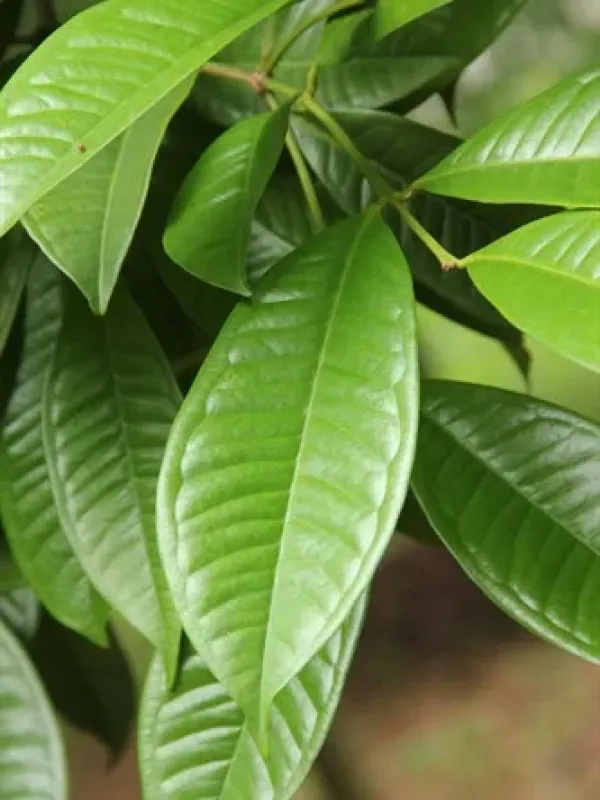
Description
Growing requirements
Syzygium borneense is a prominent member of the Myrtaceae family. Native to the tropical rainforests of Borneo, this evergreen tree is well-adapted to high-humidity, equatorial environments.
The plant thrives in tropical climates where temperatures remain consistently between 22 and 30 degrees Celsius throughout the year. It does not tolerate frost or prolonged chilling.
Cultivation requires deep, fertile, and well-draining soils. A slightly acidic pH level helps in the optimal uptake of micronutrients necessary for robust leaf and fruit development.
Adequate moisture is critical for the survival of the tree. While it prefers moist soil, it is essential to ensure that water does not stagnate to avoid root-related stress.
Regular application of organic mulch is recommended to maintain stable moisture levels and provide slow-release nutrients to the shallow root system.
Yield
The primary agricultural interest in Syzygium borneense lies in its fruit production. The fruits are harvested for both local consumption and regional markets, serving as an ingredient for various culinary preparations.
Beyond fruit production, the species is valued for its dense and durable timber, which is utilized in local construction projects and tool making.
The leaves of the plant are known for containing aromatic compounds and essential oils, which have applications in the medicinal and cosmetic sectors.
Yield efficiency can be significantly improved through proper spacing and regular fertilization programs, which support steady vegetative growth and fruit set.
Ornamental use is another potential direction for this culture, as its evergreen canopy provides significant aesthetic value in tropical landscapes and botanical gardens.
Main diseases and pests
The main pests affecting the plant include scale insects and mealybugs, which are known to cluster on the underside of leaves and young stems.
Fungal diseases, such as leaf spot and root rot, represent the most common health threats to the plant, particularly in conditions with poor drainage or stagnant air.
Effective management includes maintaining a clean growing environment and employing fungicide treatments when early signs of infection are detected.
Proper pruning practices are essential to improve airflow through the canopy, which significantly reduces the humidity levels that favor fungal development.
Biological controls and systematic monitoring of the plant foliage are recommended to minimize the reliance on chemical insecticides and promote a healthy orchard environment.