
Syzygium borbonicum
Syzygium borbonicum
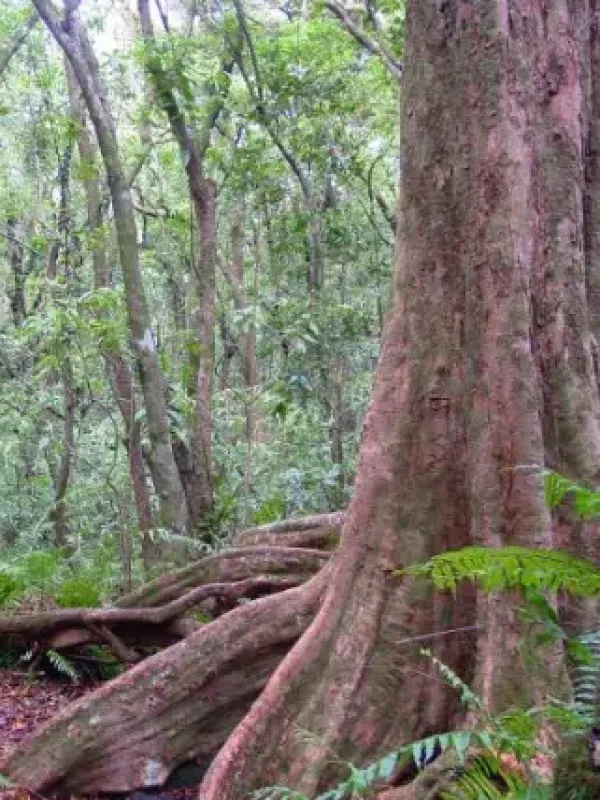
Description
Growing requirements
Syzygium borbonicum is an evergreen tree belonging to the Myrtaceae family, known for its distinct botanical traits and specific ecological niche. Native to the island of Reunion, it thrives in high-altitude, humid environments that offer stable temperatures and abundant atmospheric moisture throughout the year.
In terms of cultivation, this species requires well-draining, nutrient-rich soil to prevent waterlogging, which the plant is highly sensitive to. The root system is delicate, necessitating a substrate that balances moisture retention with aeration to facilitate healthy nutrient uptake and prevent the development of root-borne pathogens.
Light requirements for this crop involve filtered sunlight; while it needs sufficient energy for photosynthesis, excessive direct exposure to intense tropical sun can damage the foliage of younger specimens. Consistent monitoring of local climate conditions is essential to ensure the plant remains within its preferred temperature range.
Agricultural management of Syzygium borbonicum focuses on regular hydration and organic fertilization to support foliage density and tree vigor. Periodic pruning is recommended to maintain optimal branch structure, which significantly enhances airflow within the canopy and reduces the likelihood of humidity-related issues.
The economic and ecological value of this plant is often tied to its status as a specialized species, frequently found in botanical collections and niche tropical agriculture programs. Its slow growth rate demands patience, making it a long-term investment for growers specializing in endemic or rare plant species.
Main diseases and pests
Fungal infections remain the primary threat to the health of this species, especially in environments where air circulation is restricted. Diseases can manifest as leaf spots or branch dieback if the plant is subjected to prolonged periods of high humidity combined with poor ventilation within the canopy.
Pest management primarily involves monitoring for sap-sucking insects like scales and mealybugs. These pests can rapidly colonize the undersides of leaves and stems, requiring immediate attention through either manual removal or the application of appropriate systemic insecticides to ensure the continued vitality of the crop.