
Syzygium bamagense
Syzygium bamagense
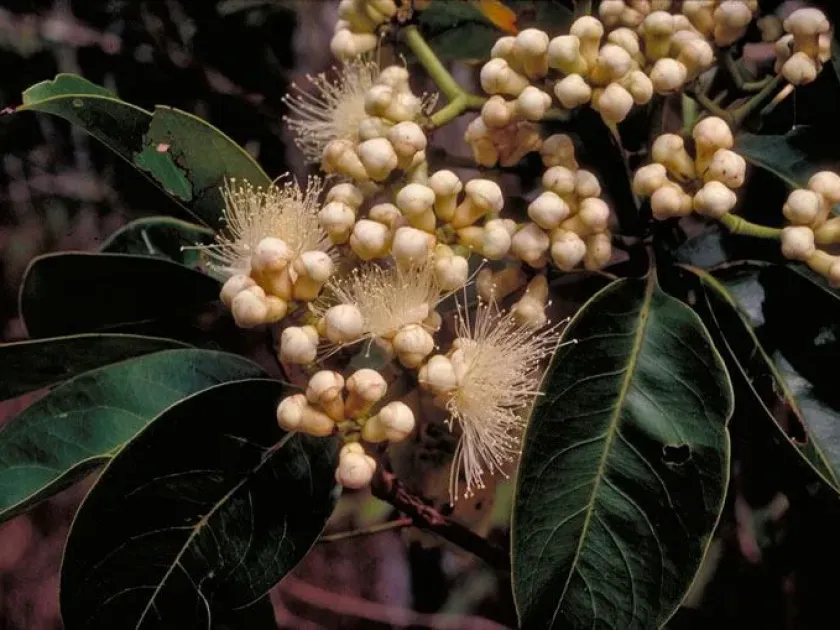
Description
Growing requirements
Syzygium bamagense is a tropical plant belonging to the Myrtaceae family. It is recognized as a distinctive species native to the northern regions of Queensland, Australia, thriving in its unique tropical environment.
The climate requirements for this species include high humidity and consistently warm temperatures throughout the year. It does not tolerate frost, making it suitable only for strictly tropical or warm subtropical regions.
Regarding soil, Syzygium bamagense prefers deep, fertile, and well-draining soil types. Proper moisture management is essential, as the roots are sensitive to prolonged waterlogging in heavy or compacted substrates.
Cultivation practices involve selecting locations with adequate sunlight, though young specimens benefit from partial shade. Consistent water supply is critical during the initial establishment phase of the saplings.
The plant demonstrates moderate growth rates. For successful development, it is recommended to provide a balanced nutrient supply through organic matter and mulching, which also helps in maintaining consistent soil temperature.
Harvesting
The primary economic and household use of Syzygium bamagense is linked to its edible fruits. These fruits are often gathered by locals and used in culinary applications, including jams, jellies, and fresh consumption.
Harvesting is performed manually during the peak of fruit maturation. Due to the delicate nature of the ripe skin, it is necessary to handle the fruits with care to prevent bruising during transit and storage.
Beyond its fruit production, the tree holds value as an ornamental specimen. Its evergreen foliage and attractive flowering habit make it a desirable candidate for exotic landscape design and biodiversity gardens.
The species also supports local ecology by providing a food source for native wildlife, particularly birds and insects that feed on the nectar and fruits. This ecological interaction is a key aspect of its conservation.
Commercial potential for this species is currently limited, categorizing it as a niche horticultural crop. Its cultivation is mostly restricted to botanical collections and specialized orchards focusing on native fruit preservation.