
Syzygium assimile
Syzygium assimile
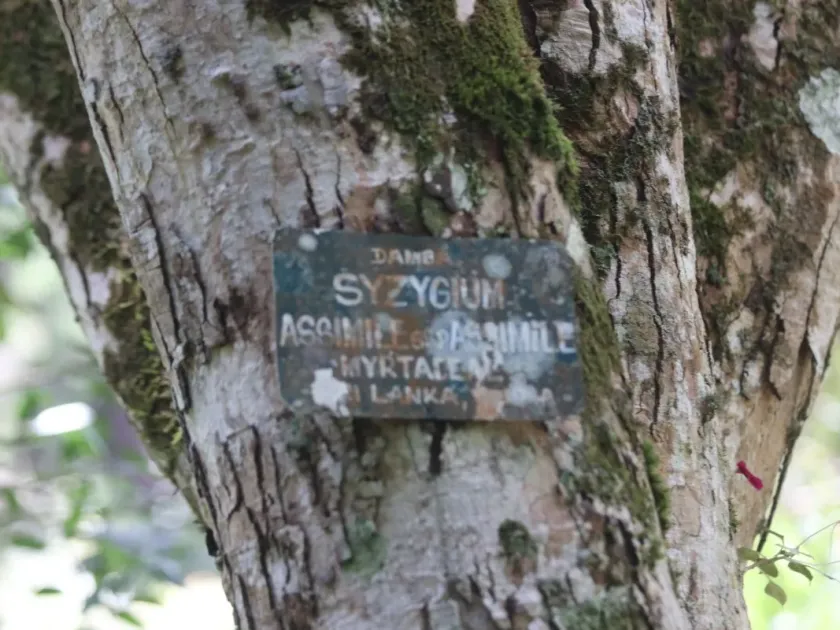
Description
Growing requirements
Syzygium assimile is a plant species belonging to the Myrtaceae family, commonly found in the evergreen forests of the Western Ghats in India. As an evergreen tropical tree, it thrives in environments characterized by stable temperatures and significant rainfall patterns.
Regarding climatic requirements, the plant prefers warm and humid conditions. It is not cold-hardy and requires protection from extreme temperature fluctuations, which makes it suitable primarily for tropical or carefully managed controlled environments.
Soil management for this species is critical; it demands well-drained, nutrient-rich soil to prevent root rot, which is a common issue for many members of the Syzygium genus. Incorporating organic matter improves soil structure and promotes healthy root development.
Botanically, Syzygium assimile exhibits a dense canopy and moderate growth rate. Its leaves are leathery and typically dark green, providing excellent shade and contributing to the ecological diversity of its natural habitat in the mountain ranges.
The economic use of this plant is primarily focused on local consumption of its fruit. These fruits contribute to the local diet and are considered a sustainable resource in traditional agroforestry systems practiced by indigenous communities in the region.
Main diseases and pests
Disease management in Syzygium assimile plantations primarily involves preventing fungal infections such as powdery mildew and leaf spot. These pathogens are particularly aggressive during the monsoon season when humidity levels are at their peak.
Root-knot nematodes and various soil-borne pathogens can impact the health of the root system. Proper site selection and maintaining soil biological health are essential preventive strategies to ensure the longevity of the trees.
Insect pests such as scale insects, aphids, and whiteflies often target the younger, more succulent leaves of the plant. These pests can cause significant damage if left unchecked, leading to stunted growth and reduced fruit set.
To control pest populations, integrated pest management (IPM) practices are highly recommended. This includes encouraging natural predators and avoiding broad-spectrum chemical pesticides that could harm the ecosystem.
Regular sanitation, including the removal and destruction of infected foliage, is crucial to minimize the spread of spores and pests. Maintaining high horticultural standards is key to achieving consistent yield and tree vitality.