
Syzygium armstrongii
Syzygium armstrongii
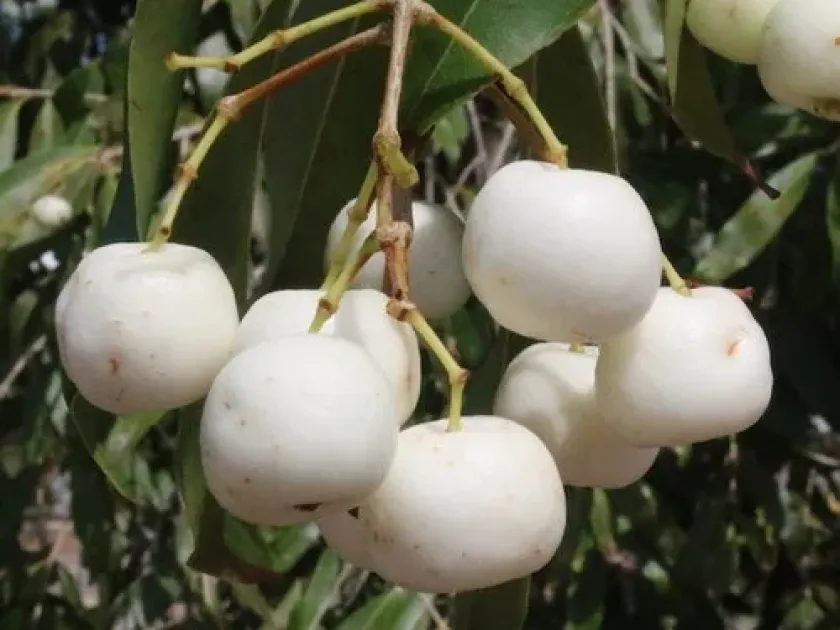
Description
Sowing dates
Syzygium armstrongii, a notable member of the Myrtaceae family, is a tropical tree that requires specific conditions for successful germination. Its seeds are recalcitrant, meaning they lose viability quickly and should be sown immediately after being extracted from the fruit.
The sowing substrate should be porous, nutrient-rich, and kept consistently moist. Using a professional greenhouse mix with perlite improves air circulation and prevents the seeds from rotting before they can sprout.
Maintaining a stable ambient temperature between 25°C and 30°C is crucial for initiating the germination process. Supplemental bottom heat can be beneficial if the environmental temperature fluctuates significantly during the night.
Seedlings should be kept in a protected environment until they reach a robust size. Once they develop several sets of true leaves, they can be hardened off gradually to prepare them for relocation to a more permanent growing spot.
Propagation through semi-hardwood cuttings is a reliable way to maintain consistent traits. Rooting hormone application and high humidity chambers significantly increase the success rate of this propagation method.
Growing requirements
This species thrives in tropical climates characterized by high humidity and consistent warmth. It is highly sensitive to frost, which limits its outdoor cultivation to tropical or subtropical zones unless maintained in a conservatory.
The ideal soil for Syzygium armstrongii is well-drained, fertile, and slightly acidic to neutral. Ensuring excellent drainage is a top priority, as the roots are highly susceptible to oxygen deprivation if the soil remains waterlogged.
The plant prefers full sun to partial shade. In extremely hot or dry environments, light shading during the afternoon helps prevent leaf scorch and reduces transpirational stress on the plant.
Regular irrigation is vital during the growing season. While the soil needs to be kept moist, it should not be kept soggy. Establishing a proper watering cycle is essential for healthy flower and fruit development.
Nutrient supplementation should focus on balanced fertilizers rich in micronutrients. Periodic applications of organic compost or kelp-based fertilizers can enhance overall vigor and improve the plant's resistance to environmental stress.
Main diseases and pests
Fungal pathogens such as powdery mildew are common in Syzygium species, especially when humidity is high and airflow is poor. Improving canopy ventilation through strategic pruning is the best preventive measure.
Scale insects and mealybugs are persistent pests that extract sap from young stems and leaves. If left unchecked, these insects can cause significant damage and even lead to plant death in severe infestations.
Root rot caused by Phytophthora species is a serious concern if drainage is inadequate. Managing irrigation and avoiding excessive soil moisture are critical components of a successful integrated pest management program.
Aphids might colonize the tender tips of new growth. Monitoring for these pests during the spring flush is necessary, and applications of insecticidal soap or biological controls can effectively manage the population.
Regular monitoring of plant health allows for early detection of potential issues. Keeping the area under the tree clean and free of fallen debris reduces the buildup of inoculum for various diseases and pests.
Harvesting
The harvest period for Syzygium armstrongii is determined by the fruit's color transition and texture. Fruits should be picked once they reach full physiological maturity to ensure the best flavor profile.
Manual harvesting is the preferred method to prevent bruising the delicate skin of the fruit. Care must be taken to avoid damaging the branches during the process, as the tree is sensitive to mechanical trauma.
Post-harvest life is limited due to the fruit's high water content and thin skin. Rapid cooling after harvest can help maintain quality, but immediate consumption or processing is strongly advised for maximum freshness.
The fruit can be used in various culinary applications, including jams, jellies, and fresh fruit blends. Its unique taste profile makes it a desirable addition to specialty markets focusing on tropical produce.
Yield management involves ensuring adequate pollination through the presence of local pollinators or wind movement. Pruning the tree to maintain an open canopy structure also helps maximize light penetration and fruit set.