
Doorenbos snowberry
Symphoricarpos x doorenbosii Krüssm.
Description
Growing requirements
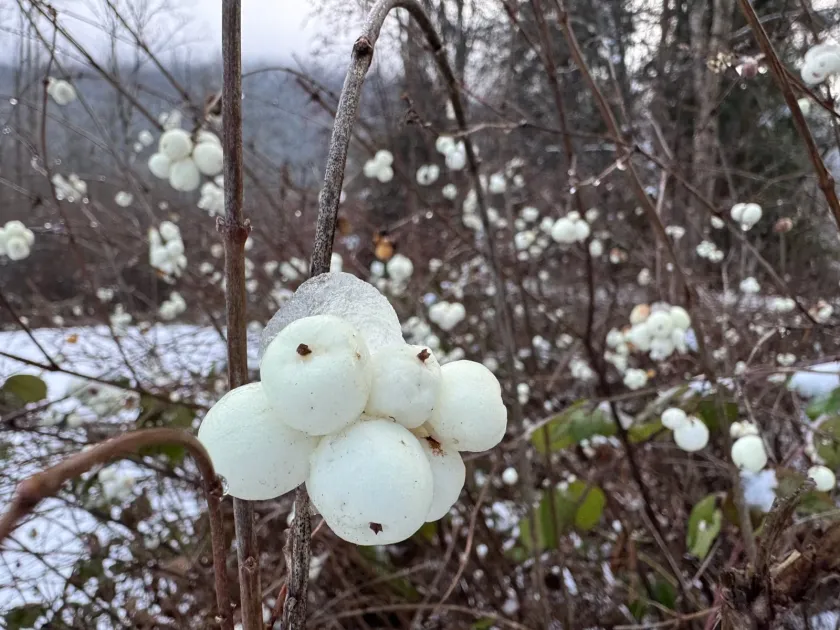
Doorenbos snowberry (Symphoricarpos x doorenbosii) is a hybrid ornamental shrub belonging to the Caprifoliaceae family. Known for its persistent, showy berries, this shrub is a popular choice for both residential landscapes and public parks.
This crop is highly versatile regarding climate, demonstrating significant cold hardiness and the ability to thrive in various temperate regions. Its biological resilience makes it a low-maintenance option for professional landscape architects.
The shrub is remarkably adaptable to various soil types, including poor or rocky substrates. However, to maximize the display of fruits, planting in well-drained, nutrient-rich soil with a neutral to slightly alkaline pH is strongly advised.
Optimal growth occurs in full sun to partial shade. While the plant can survive in shaded areas, direct sunlight is essential for encouraging dense foliage and the abundant production of berries that define the beauty of the species.
Routine maintenance involves annual pruning, typically performed in early spring. This practice removes dead wood and reshapes the shrub, ensuring that new growth remains vigorous and continues to produce the characteristic colorful fruits.
Main diseases and pests
The species is generally robust, but it can be susceptible to powdery mildew under conditions of high humidity and poor ventilation. Keeping the center of the shrub open through strategic pruning is the best preventive strategy.
Aphids can occasionally colonize young shoots during the growing season. If infestations become severe, standard horticultural soap or targeted insecticides can effectively control the pest population without damaging the shrub.
Root rot may occur in waterlogged soils. Ensuring that the planting site has adequate drainage is critical for the long-term health of the root system, especially in areas with heavy clay or compacted earth.
Maintaining a healthy, well-nourished plant is the most effective defense against pests and diseases. Regular fertilization and balanced irrigation reduce plant stress and discourage the establishment of secondary pathogens.
In cases of severe infection, prompt removal of affected plant tissue and careful monitoring are necessary. Integrating these biological controls often allows the plant to recover without the need for intensive chemical interventions.