
Common snowberry
Symphoricarpos albus (L.) S. F. Blake
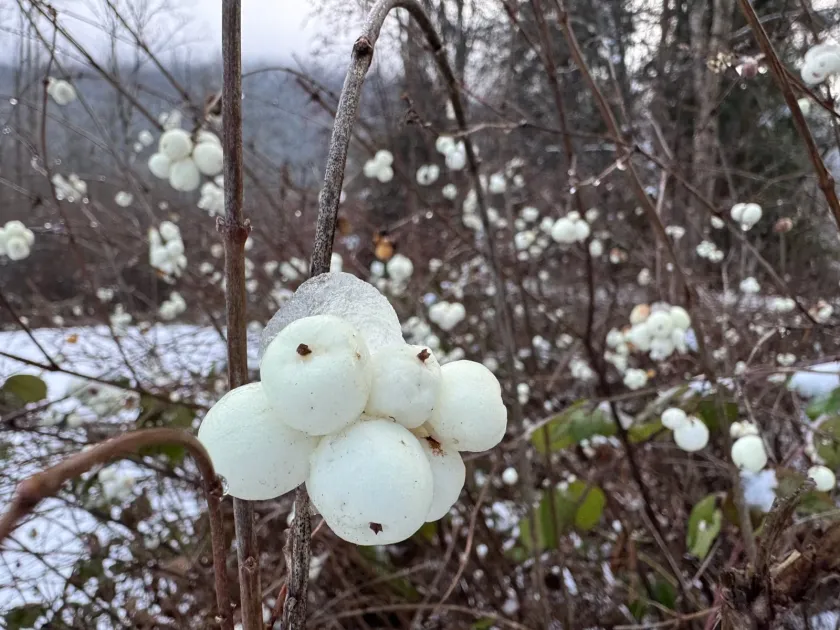
Description
Growing requirements
The common snowberry (Symphoricarpos albus) is a deciduous shrub belonging to the Caprifoliaceae family. Native to North America, it has been widely introduced to various temperate regions due to its remarkable adaptability and ornamental value.
The plant is highly versatile regarding soil conditions. It thrives in diverse substrates ranging from rocky slopes to heavy clays, although it prefers well-drained, fertile soil. It exhibits high tolerance for both sun and partial shade environments.
Climate requirements for this species are relatively broad. It is notably cold-hardy, surviving harsh winters without significant damage. While it can withstand periods of drought once established, consistent moisture promotes better fruit production.
Botany-wise, the shrub typically grows to 1.5–2 meters, spreading via underground rhizomes. Its most recognizable features are its white, waxy berries that persist throughout the winter, providing food for birds and visual interest for gardeners.
Agricultural and landscape maintenance is minimal. Regular pruning is recommended to maintain the desired shape, especially when grown as a formal hedge. Its extensive root system makes it an excellent candidate for erosion control in challenging landscapes.
Main diseases and pests
Common snowberry is known for its durability, yet it is not entirely immune to pathogens. Powdery mildew is the most common concern, particularly in areas with poor airflow and high humidity, leading to white fungal patches on the foliage.
Gray mold (Botrytis) may affect fruit clusters during exceptionally wet summers or autumns. Proper spacing during planting is essential to ensure adequate air circulation, which significantly reduces the risk of fungal outbreaks.
Pest issues are generally minor. Aphids may occasionally infest succulent new growth, though they rarely cause fatal damage. Integrated pest management, including the use of neem oil or insecticidal soaps, is usually sufficient to control them.
Leaf spot diseases can occur under stressful conditions, such as over-watering or poor soil drainage. Keeping the area around the base of the plant clear of debris helps limit the survival of overwintering pathogens.
Root rot can occur if the plant is subjected to prolonged waterlogged conditions. Ensuring that the site provides adequate drainage and avoiding excessive irrigation are key to preventing these types of physiological and biotic threats.