
Sunset hibiscus
Abelmoschus manihot (L.) Medik.
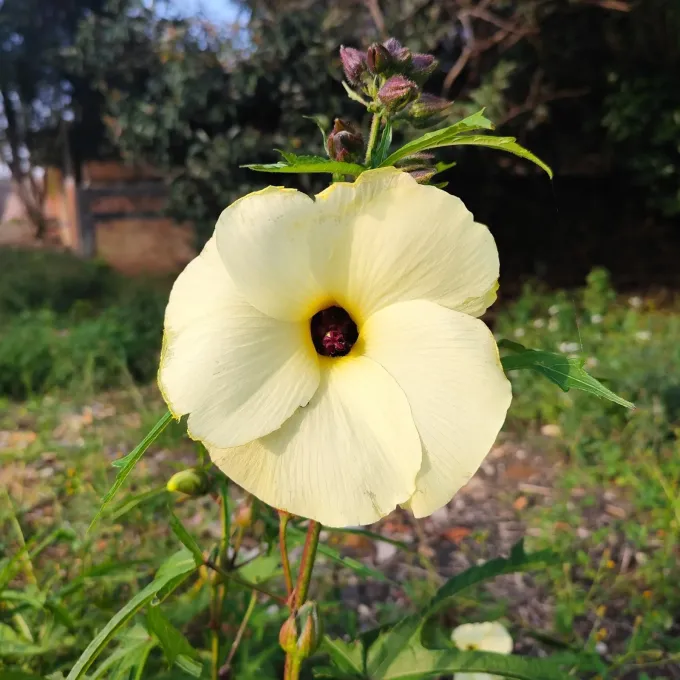
Description
Sowing dates
Sunset hibiscus, or Abelmoschus manihot, is a perennial herb from the Malvaceae family typically grown as an annual in cooler climates. Sowing should commence in late winter or early spring using seed trays under greenhouse conditions.
Seeds benefit from overnight soaking in lukewarm water to soften the seed coat, significantly improving germination rates. The optimal planting depth is approximately 1.5 to 2 centimeters in a well-draining, nutrient-rich soil mix.
For direct seeding in the garden, ensure the soil temperature remains consistently above 15°C. Space the plants at least 50–60 centimeters apart to prevent crowding, which is essential for air circulation and plant health.
Seedlings should be hardened off before being transplanted into their final location once the threat of frost has completely passed. This transition period allows the young plants to adjust to outdoor conditions gradually.
Consistent moisture is vital during the initial germination phase. Once established, the plants demonstrate moderate growth, but maintaining a steady soil moisture level remains important for optimal vegetative development.
Growing requirements
As a tropical plant, sunset hibiscus thrives in full sun, requiring at least 6 to 8 hours of direct sunlight daily for robust growth. Insufficient light leads to weak, leggy stems and poor leaf development.
The plant performs best in fertile, loose, and well-draining soils with a slightly acidic to neutral pH. Avoid waterlogged areas, as the root system is susceptible to decay when subjected to persistent moisture saturation.
The ideal temperature range for this crop is between 20°C and 30°C. Growth slows significantly below 10°C, and the plant is highly sensitive to frost, which will cause total foliage dieback.
Nutrient requirements are relatively high; applying a balanced NPK fertilizer during the vegetative growth phase encourages lush foliage. Potassium-rich supplements are recommended once the plant begins to flower.
Mulching the base of the plant is an effective strategy to retain soil moisture and stabilize the root zone temperature. This practice is particularly beneficial in regions prone to intense summer heat.
Yield
The primary economic and culinary value of Abelmoschus manihot lies in its edible leaves, which are rich in vitamins and contain a mucilaginous substance favored in many tropical cuisines.
Yields can be maximized by implementing a regular harvest schedule. Pruning the terminal buds encourages the development of lateral shoots, significantly increasing the total volume of harvestable leaves throughout the season.
In addition to leaves, the flowers of sunset hibiscus are also edible and often used to add visual appeal and texture to salads. Harvest these when they are fresh and fully expanded for the best quality.
Productivity is closely linked to water availability and soil fertility. Plants that receive supplemental irrigation during dry spells produce significantly more tender and palatable leaves compared to those under drought stress.
Sustainable harvesting involves removing only a portion of the foliage at any one time, allowing the plant sufficient leaf surface area to continue photosynthesis and remain healthy for subsequent harvests.
Main diseases and pests
Aphids are the most common pest, often colonizing the undersides of leaves and the tips of young shoots, causing curling and stunted growth. Frequent monitoring is necessary to catch infestations early.
Spider mites can become a nuisance during prolonged hot and dry weather. These tiny pests cause yellowing and webbing, which can quickly degrade the quality of the harvest if not managed properly.
Fungal issues such as powdery mildew may occur if the plants are overcrowded and airflow is restricted, especially in humid conditions. Ensuring proper spacing is the first line of defense.
Integrated Pest Management (IPM) practices, such as introducing beneficial insects or using organic insecticidal soaps, are preferred to maintain the edibility of the plant leaves for home consumption.
Always avoid the use of harsh synthetic chemicals on this crop, especially if the leaves are intended for fresh consumption. Regular sanitation of the garden space helps prevent the overwintering of pathogens.
Harvesting
Harvesting usually begins 6 to 8 weeks after planting. Select young, tender leaves from the top of the plant or from side branches, as older leaves tend to become fibrous and tough.
Use sharp scissors or garden shears to cut the stems, ensuring that the main structure of the plant remains intact. Harvesting in the early morning ensures the leaves retain maximum freshness and water content.
For edible flowers, harvest them in the morning before they wilt in the intense afternoon sun. Handle the delicate petals with care to prevent bruising during collection and transit.
Post-harvest handling is critical. Wash the leaves gently in cool water, pat them dry, and store them in the refrigerator inside a breathable container to prevent moisture loss and wilting.
Continuous harvesting throughout the warm months prevents the plants from reaching maturity too quickly, extending the period of fresh leaf production right up until the autumn temperatures begin to decline.