
Abelmoschus moschatus tuberosus
Abelmoschus moschatus Medik. subsp. tuberosus (Span.) Borss. Waalk.
Description
Sowing dates
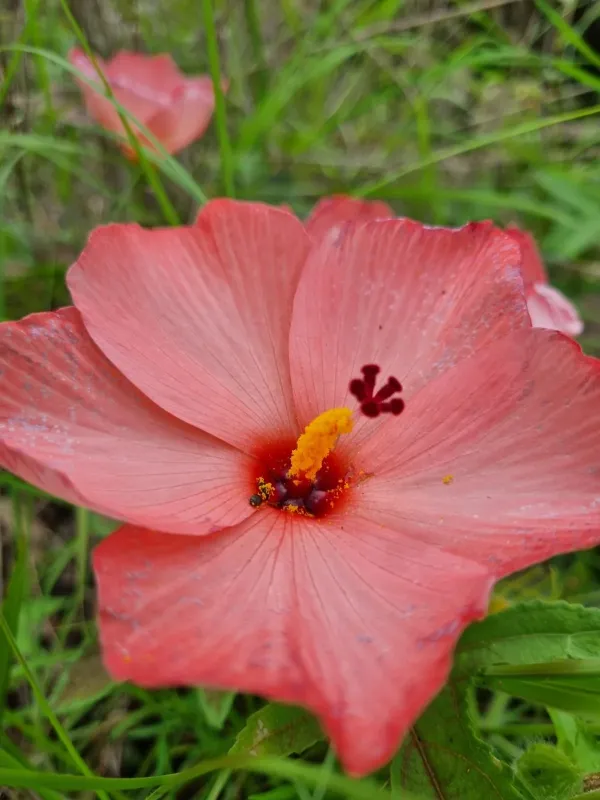
Abelmoschus moschatus tuberosus is a perennial herbaceous plant belonging to the Malvaceae family. Unlike other subspecies, it develops distinct tuberous roots that store starch and nutrients, making it unique within the genus.
Sowing should take place once the soil has warmed up significantly, as the plant is highly sensitive to cold temperatures. The ideal soil temperature for germination is between 22 and 25 degrees Celsius.
Transplanting seedlings is a common and recommended practice to ensure a longer growing season. Starting seeds indoors in pots 4–6 weeks before the last frost date allows the root system to establish early.
Planting density is crucial for healthy development. Providing a spacing of 60–80 centimeters between individual plants ensures that each specimen has sufficient room to grow its foliage and support root development.
In cooler climates, this crop is managed as an annual. Gardeners must harvest the tubers before the onset of winter frost, as the plants cannot survive in sub-zero ground temperatures.
Growing requirements
The plant thrives in full sunlight. High light intensity is a fundamental requirement for the development of both the lush foliage and the nutritious tubers, so open fields are always preferred over shaded areas.
Well-drained, sandy loam soils are ideal for cultivation. Because the plant produces tubers, the soil must be loose and friable to prevent root deformation and to allow for easy expansion underground.
Irrigation must be managed carefully. While the plant requires consistent moisture to grow, waterlogging must be strictly avoided as it leads to root rot and severe losses in tuber quality.
Balanced fertilization is beneficial during the vegetative growth phase. Focus on organic compost or mineral fertilizers high in potassium to promote tuber enlargement and stress tolerance in the plants.
Mulching is a recommended practice to maintain stable soil temperatures and moisture levels. This simple technique also suppresses weed growth, reducing competition for resources in the early growth stages.
Yield
The primary yield consists of the tubers, which serve as a food source. They are rich in starch and minerals, making them a valuable subsistence crop in many tropical regions where they are traditionally cooked.
Beyond the tubers, the plant is versatile. The young leaves can be consumed as a vegetable, while the flowers offer significant ornamental value, making the plant a dual-purpose species for many farmers.
Seed production is another key aspect of the yield. The seeds contain volatile oils with a characteristic musky scent, which are extracted for high-value applications in the fragrance and essential oil industries.
Maximizing yield requires consistent maintenance. Regular hoeing and weeding ensure that the soil remains oxygenated, which is vital for the health of the subterranean parts of the plant.
Yield estimation depends on the length of the growing season. In warmer regions, where the plant can grow for an extended period, the size and weight of the tubers are significantly higher compared to shorter seasons.
Main diseases and pests
Pests such as aphids and spider mites are frequent invaders, especially during dry and hot weather. Integrated pest management strategies, including the use of soaps and bio-pesticides, are highly effective.
Fungal diseases like powdery mildew can affect the leaves if the foliage is too dense or if air circulation is poor. Proper spacing at the time of planting is the best preventive measure.
Soil-borne pathogens can cause root rot, particularly in damp conditions. Ensuring that the field has good drainage is essential to protect the tubers from these harmful fungi.
Nematodes are a significant threat to tuberous crops. Crop rotation practices are strongly recommended to break the life cycle of these pests and keep the soil healthy for future cycles.
Regular monitoring and rapid removal of symptomatic plants help maintain the integrity of the crop and prevent the spread of diseases throughout the planting area.
Harvesting
Harvesting is performed at the end of the growth cycle. When the foliage turns yellow and dies back naturally, it indicates that the plant has completed its cycle and the tubers are ready for removal.
The tubers are extracted from the ground with great care. Mechanical damage to the surface of the tubers must be minimized to ensure they remain viable during the post-harvest storage period.
After extraction, the tubers must be cleaned and dried in a shaded, well-ventilated location. Rapid drying under the sun should be avoided to prevent cracking and moisture loss.
Storage should take place in a cool, dark environment with moderate humidity. Good airflow is essential to prevent the accumulation of moisture, which could lead to fungal growth during the resting phase.
Selection of the best specimens for the next season is a common practice. Healthy tubers should be stored separately, following strict sanitary guidelines to ensure high-quality propagation material for the following year.