
Sterigmostemum sulphureum
Sterigmostemum sulphureum
Description
Sowing dates
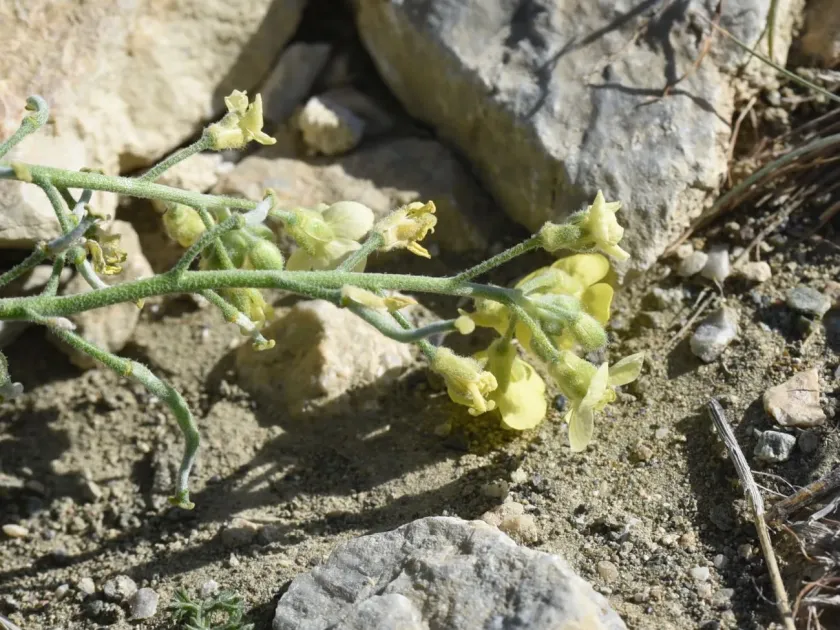
Sterigmostemum sulphureum is a herbaceous plant belonging to the Brassicaceae family, recognized for its specific yellow flowers and adaptability to harsh environments.
In cultivation, seeds are typically sown in late autumn to facilitate winter stratification, which is essential for uniform germination in early spring.
If spring sowing is practiced, seeds should be planted at a shallow depth of approximately 1 to 2 centimeters to ensure adequate oxygen for the developing embryos.
The plant exhibits high vitality and a tendency for self-seeding, which should be managed carefully to prevent uncontrolled spreading on experimental plots.
Optimal spacing is required to reduce competition between individuals, as the plant develops a significant rosette of leaves before transitioning to the flowering stage.
Growing requirements
This species is native to the arid and semi-arid landscapes of Central Asia, specifically adapted to regions with extreme daily temperature fluctuations.
It thrives in nutrient-poor substrates, including sandy, stony, or slightly saline soils where other standard agricultural crops often fail to establish.
Full sun exposure is an absolute requirement for this species; even partial shade can lead to stunted growth and reduced seed production efficiency.
The plant demonstrates excellent drought tolerance, relying on a deep, robust taproot to reach water reserves located well below the soil surface.
High humidity and poor soil drainage are the primary environmental stressors that can negatively impact the health of this xerophytic plant species.
Main diseases and pests
Cruciferous flea beetles represent the most significant pest pressure, often attacking the plant during the vulnerable seedling stage of development.
Powdery mildew is the most common fungal disease observed in cultivation, particularly when atmospheric humidity levels remain consistently high.
Cutworms and other soil-dwelling larvae can cause significant damage by feeding on the root system, which weakens the plant's structural integrity.
Pathogenic organisms like Fusarium species may pose a risk if the soil remains waterlogged or if crop rotation practices are not strictly followed.
Integrated pest management, focusing on early monitoring and the removal of weeds related to the Brassicaceae family, is recommended to ensure crop health.