
Sterigmostemum billardierei
Sterigmostemum billardierei
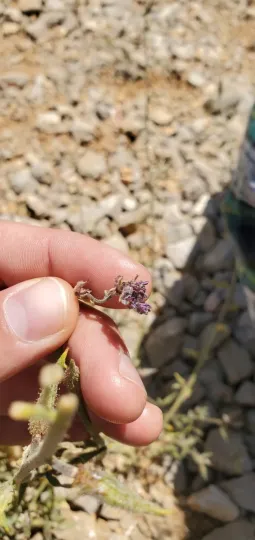
Description
Growing requirements
Sterigmostemum billardierei is a perennial herbaceous plant belonging to the Brassicaceae family. It is naturally adapted to the harsh environmental conditions of arid and semi-arid regions, primarily found across parts of Asia.
The plant thrives in well-drained, sandy or gravelly soils. It demonstrates significant tolerance for salinity and low nutrient availability, making it an interesting candidate for ecological studies in challenging agricultural environments.
Climate requirements include high solar radiation and low precipitation levels. The species exhibits specific physiological adaptations, such as morphological features that reduce water loss through transpiration, which is essential for surviving prolonged drought.
In terms of cultivation technique, it is crucial to avoid waterlogging at all costs. The root system is highly susceptible to fungal infections if kept in damp or poorly aerated soil conditions, which remains the primary challenge in artificial propagation.
The main economic use of this plant is currently linked to land reclamation and soil stabilization projects. Its ability to colonize marginal lands helps prevent wind erosion and serves as a vital component in restoring vegetation in desertified areas.