
Sterigmostemum elichrysifolium
Sterigmostemum elichrysifolium
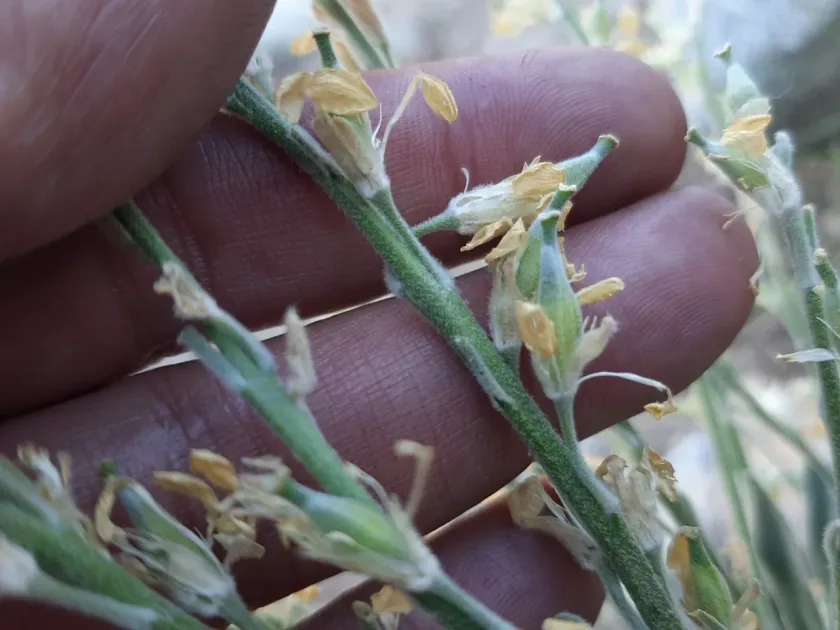
Description
Growing requirements
Sterigmostemum elichrysifolium is a perennial herbaceous plant belonging to the Brassicaceae family. It is naturally adapted to harsh mountainous environments, where it thrives on stony slopes and well-drained geological substrates.
The plant exhibits significant xerophytic characteristics, including dense pubescence on its leaves. This adaptation allows the species to maintain physiological processes during periods of extreme heat and prolonged drought.
Regarding soil requirements, the plant demands excellent drainage. It thrives in gravelly, sandy, or alkaline soils where oxygen circulation is high. Heavy clay soils that retain moisture must be avoided to prevent root diseases.
The species is strictly heliophilic, meaning it requires full sun exposure for normal growth and development. Insufficient light leads to etiolation, reduced vigor, and a lack of flowering, which undermines the plant's structural integrity.
Economically, Sterigmostemum elichrysifolium holds potential for slope stabilization projects in arid environments. Its deep and spreading root system effectively binds soil particles, preventing erosion on steep terrains where traditional crops fail.
Main diseases and pests
Like many members of the Brassicaceae family, this plant is vulnerable to crucifer flea beetles. These pests pose the greatest threat during the early seedling stage, often causing significant foliage loss.
Fungal infections, such as downy mildew, represent a serious risk during periods of high humidity. Poor ventilation or stagnant air around the plants promotes the rapid spread of spores on the leaf surfaces.
Root rot is the most common physiological disorder occurring under improper irrigation management. When the soil becomes waterlogged, the roots lose the ability to respire, facilitating colonization by opportunistic fungi.
Aphid infestations can occasionally impact the plant by sucking sap from the tender apical meristems. Early detection and the use of integrated pest management are crucial to maintaining the health of a population.
Preventive strategies include proper spacing to ensure adequate air circulation and site selection that avoids low-lying areas prone to water accumulation. Maintaining vigorous plant growth through controlled site conditions is the best defense against biotic stressors.