
Butcher's broom
Ruscus hypoglossum L.
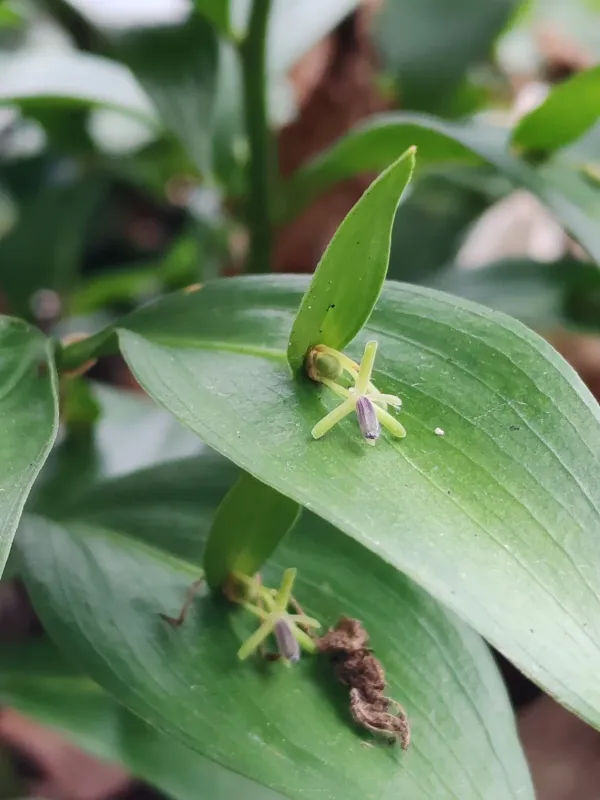
Description
Sowing dates
Propagation of Butcher's broom is most effectively achieved through division of the rhizomes. This vegetative method is the standard practice in professional cultivation, ensuring that new plants are established efficiently during the early spring season.
Seed propagation is possible but is rarely utilized in commercial agriculture due to the extremely long dormancy period of the seeds. Often, germination requires cold stratification and may take more than one growing season to manifest.
When dividing rhizomes, ensure each section contains at least a few healthy shoots. Planting depth should be approximately 5 to 7 centimeters in well-draining, nutrient-rich soil to encourage rapid root establishment.
Consistent moisture is vital in the weeks immediately following planting. Avoid waterlogging the substrate, as the rhizomes are prone to rot if kept in perpetually soggy soil conditions during their vulnerable establishment phase.
In nursery settings, stem cuttings can be utilized under misting conditions. This requires high ambient humidity and stable temperatures to promote root growth, though the development of the root system in cuttings is slower compared to rhizome division.
Growing requirements
Butcher's broom (family Asparagaceae) is a shade-loving evergreen shrub native to forest understories. It performs best in conditions that mimic its natural habitat, requiring protection from direct, scorching sunlight which can damage its foliage.
The crop demands a light, porous soil mix that is slightly acidic to neutral. High organic matter content is beneficial, as it provides both the necessary nutrients and the structure required for proper root development and aeration.
Climatically, it is not considered frost-hardy and thrives in temperate to subtropical regions. In colder areas, cultivation must be limited to greenhouses or protected indoor environments to ensure survival through the winter months.
Humidity requirements are significant; the plant responds well to regular misting in indoor settings. Maintaining a stable temperature range between 18°C and 24°C supports steady growth and prevents the plant from entering premature dormancy.
The plant is resilient but benefits from a well-regulated environment. Proper air circulation is just as important as soil health, as stagnant, humid air can invite fungal pathogens to colonize the foliage and rhizomes.
Yield
The primary economic output of Ruscus hypoglossum is its ornamental value, specifically the stiff, evergreen phylloclades (modified stems). It is widely utilized in the floral industry for creating long-lasting, elegant arrangements.
Productivity is measured by the harvestable volume of healthy, dark-green stems. Plants that are well-nourished and kept in appropriate light levels produce high-quality foliage that stays fresh in vases for an extended period.
A established Butcher's broom plant can remain productive for over a decade. The slow growth rate means that a well-managed plantation can provide a consistent supply of greenery without the need for frequent replanting.
For optimal yields, apply a balanced liquid fertilizer during the active growing season. Nitrogen-heavy fertilizers should be avoided late in the season to prevent the growth of soft, frost-vulnerable tissues before the winter dormancy.
The presence of bright red berries significantly increases the decorative value of the stems. As the plant is dioecious, having both male and female specimens is necessary to ensure successful pollination and fruit production.
Main diseases and pests
Butcher's broom is generally robust, but it is susceptible to root rot if soil drainage is compromised. This is the most significant threat to a crop's health, often caused by overwatering or compacted soil conditions.
Scale insects are the most common pests found on the plant. They tend to cluster on the undersides of the phylloclades, extracting sap and causing yellowing, loss of vigor, and potentially stunting the growth of the shoots.
Spider mites can become a problematic infestation, particularly in indoor environments with low humidity. They leave behind fine webbing and cause the foliage to lose its characteristic deep green luster and appear mottled.
Preventative cultural practices, such as thinning the canopy to improve light penetration and airflow, significantly reduce the incidence of fungal outbreaks. Cleanliness in the workspace is critical to prevent the spread of pathogens.
If chemical intervention is necessary, use targeted systemic insecticides for pests and copper-based fungicides for fungal issues. Always follow label rates to avoid chemical burns on the sensitive phylloclades of the plant.
Harvesting
Harvesting of Butcher's broom occurs throughout the year, but the highest quality stems are typically selected in the late summer or autumn. This timing ensures the phylloclades have fully hardened, providing the best structural integrity.
Using sharp, sanitized shears is mandatory. Clean cuts reduce the stress on the mother plant and minimize the risk of wound-entry for opportunistic infections, ensuring the plant remains healthy for future harvest cycles.
Post-harvest management involves keeping the stems in a cool, humid environment. Proper hydration is key; even though the stems are durable, they must be kept in water or misted to maintain their fresh appearance for the retail market.
It is essential to practice selective harvesting rather than clear-cutting. Always leave a sufficient number of younger shoots to sustain the energy levels of the rhizome system and ensure continued regeneration for the next season.
Storage of cut stems should be done at temperatures between 2°C and 4°C if holding for more than a few days. Proper temperature control keeps the foliage crisp and prevents the rapid decay that can occur if stored in warm, unventilated rooms.