
Solanum pittosporifolium
Solanum pittosporifolium
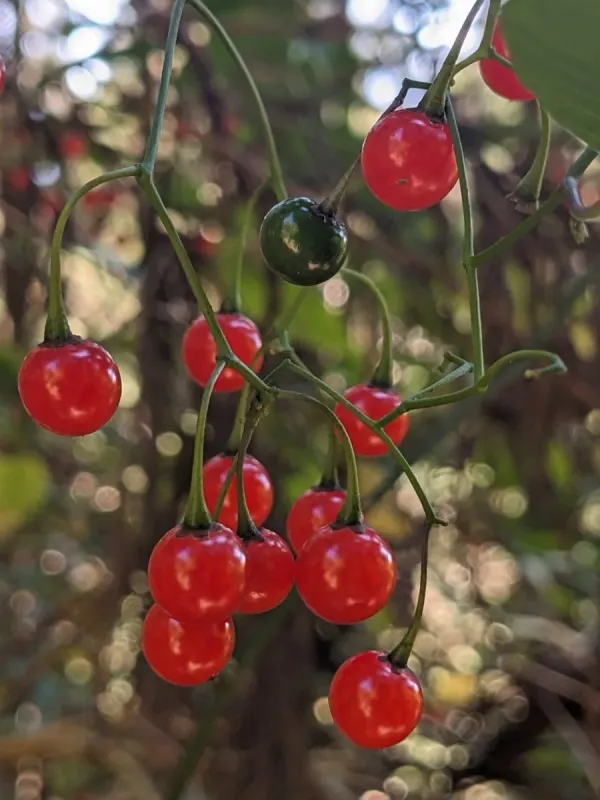
Description
Growing requirements
Solanum pittosporifolium is a woody member of the Solanaceae family, native to the tropical regions of South America. It is recognized for its unique, shrub-like growth habit which makes it distinct among other members of the Solanum genus.
The climate requirements for this plant are quite specific; it thrives in warm, tropical conditions and is sensitive to frost. In temperate climates, it is typically cultivated in greenhouses or indoor environments to ensure consistent temperatures.
Soil quality is paramount for the health of Solanum pittosporifolium. It performs best in well-draining, nutrient-rich soil with a slightly acidic to neutral pH. Proper soil structure is essential to prevent water stagnation, which can be fatal to the root system.
The plant requires ample sunlight to flourish, preferably bright, filtered light. During the vegetative stage, high light intensity is crucial for the plant to develop a strong structure and to support future flowering and fruiting cycles.
Agrotechnical practices include consistent watering schedules and the application of balanced NPK fertilizers during the growing season. Pruning is recommended to manage the plant's size and to encourage healthy branching, which in turn optimizes yield potential.
Main diseases and pests
Common pests associated with this crop include aphids, whiteflies, and spider mites. These pests tend to thrive in greenhouse conditions; therefore, regular inspections and biological or chemical control measures are necessary to keep populations under control.
Fungal pathogens such as root rot and powdery mildew represent the primary threats to the health of the plant. Maintaining good air circulation and avoiding overhead watering are key cultural practices to minimize the risk of infection.