
Solanum donianum
Solanum donianum
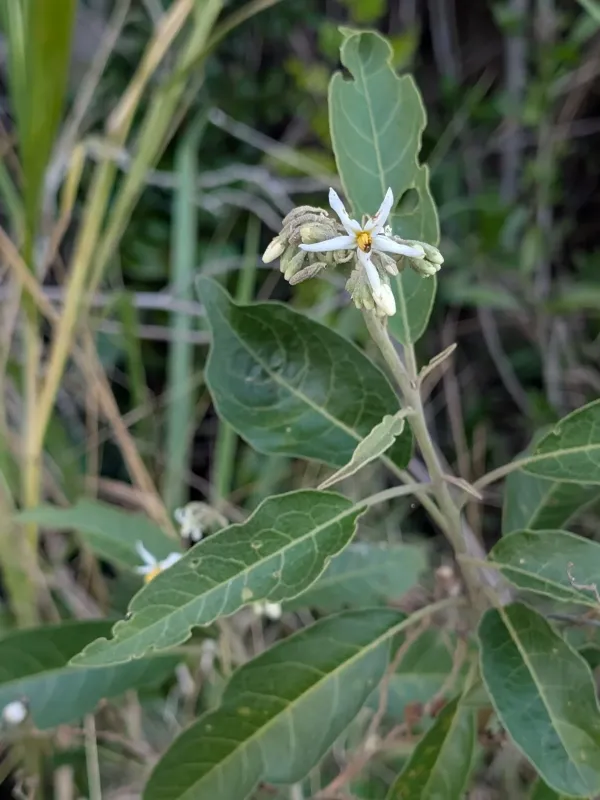
Description
Growing requirements
Solanum donianum is a perennial species belonging to the diverse Solanaceae family. Native to the tropical regions of Africa, this plant has adapted to survive in warm, high-humidity environments.
Botanically, it appears as a shrub or small tree. The plant is characterized by its broad leaves and typical solanaceous flowers, which eventually produce berries utilized in local dietary traditions.
To ensure optimal growth, the soil must be rich in organic matter and possess excellent drainage capabilities. Heavy or waterlogged soils are detrimental, often leading to rapid root decay.
The climate requirements necessitate full sun exposure or partial shade in hotter regions. Constant temperatures without the threat of frost are essential for the plant to reach maturity.
Management of this crop involves regular monitoring of soil moisture levels. Its agricultural utility extends to food consumption and biochemical research due to the specific alkaloid profile present in the plant tissues.
Main diseases and pests
Common agricultural pests affecting Solanum donianum include spider mites and aphids, which thrive in protected or warm environments and can damage the foliage significantly.
Disease management is focused on preventing blights and mildew. Proper spacing and airflow between plants are the primary cultural controls used to minimize the incidence of fungal pathogens.