
Solanum chrysotrichum
Solanum chrysotrichum
Description
Growing requirements
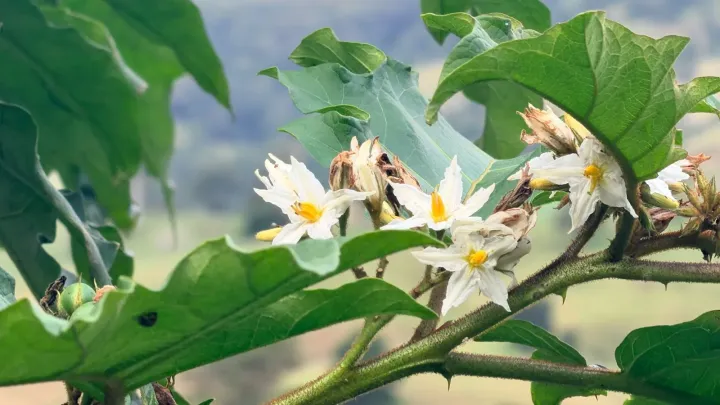
Solanum chrysotrichum, commonly known as the golden-haired nightshade, is a perennial shrub belonging to the Solanaceae family. Native to Central and South America, it is adapted to diverse habitats ranging from tropical forests to open, disturbed mountainous areas.
The plant is botanically identified by the dense, golden-colored trichomes covering its stems and leaves. It typically grows as a large shrub, producing broad, lobed foliage and inflorescences featuring white or pale blue, star-shaped flowers that are characteristic of the genus.
For optimal growth, the crop requires well-drained, fertile soils with a slightly acidic to neutral pH level. It thrives in regions with warm temperatures and high moisture availability, making it suitable for cultivation in tropical and subtropical climates.
Agronomic management involves maintaining consistent soil moisture while preventing waterlogging, which can lead to root rot. High light intensity is preferred to support the plant's structural development and metabolic activities throughout the growing season.
In terms of agricultural utility, while sometimes classified as an invasive species in certain regions, Solanum chrysotrichum is studied for its genetic potential, particularly for resistance genes that could be valuable in breeding programs for commercial Solanaceae crops.
Main diseases and pests
The crop is susceptible to a wide range of common Solanaceae pathogens, including late blight (Phytophthora infestans) and various wilting diseases caused by Fusarium or Verticillium species in suboptimal soil conditions.
Insect pests such as whiteflies, aphids, and spider mites pose a constant threat, especially in greenhouse environments where they can quickly proliferate and cause significant damage to young vegetative tissues.
Viral infections transmitted by vectors like aphids represent a severe challenge, often leading to stunted growth and reduced leaf quality, which can eventually lead to the loss of individual shrubs.
Preventive measures include strict sanitation practices, such as the removal of host weeds from the surrounding area and the use of resistant rootstocks where available.
Effective pest management relies on a combination of regular crop rotation, the use of beneficial insects, and the judicious application of chemical controls only when threshold levels of infestation are exceeded.