
Solanum boliviense
Solanum boliviense
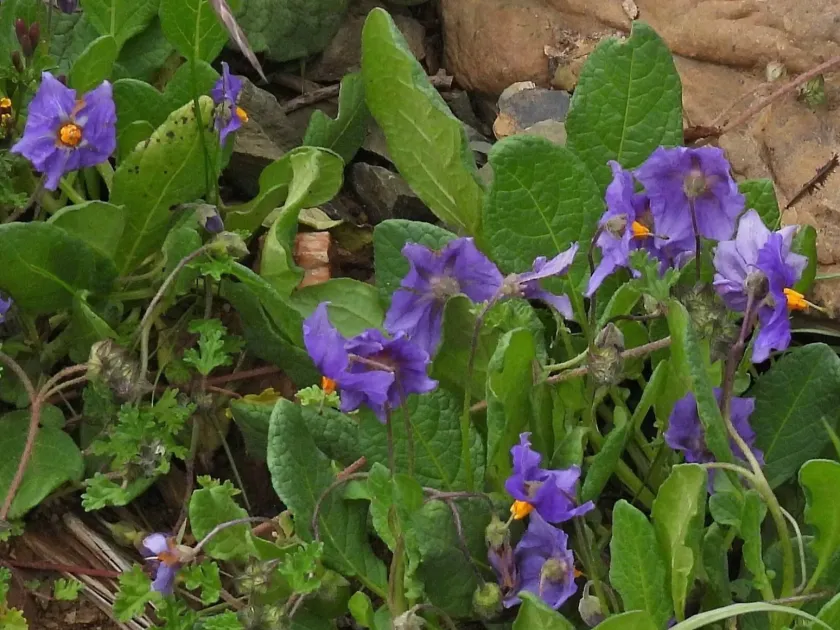
Description
Sowing dates
Solanum boliviense is a member of the Solanaceae family, originating from the high-altitude Andean regions. Due to its specific biological requirements, cultivation typically starts in a controlled greenhouse environment to ensure high germination rates and seedling vigor.
Seeds should be sown in a well-draining, sterile potting mix at a depth of about 1 centimeter. Consistent temperatures between 20 and 22 degrees Celsius are essential for uniform emergence, which usually occurs within two to three weeks under optimal conditions.
Once seedlings develop their first true leaves, they should be transplanted into individual pots to avoid root competition. This stage is critical for establishing a robust root system that will support the plant once it is moved to the permanent growing site.
Transplanting into the open field should only occur once the risk of frost has completely passed. The plants require a period of acclimatization to outdoor conditions, involving gradual exposure to direct sunlight and fluctuating wind speeds.
Optimal spacing is crucial to prevent foliage overlap and ensure adequate airflow around each plant. A spacing of 50 to 60 centimeters between plants allows for proper canopy development and simplifies maintenance and harvesting operations.
Growing requirements
The plant thrives in fertile, well-draining soils with a slightly acidic to neutral pH. Soil structure is of great importance, as compaction can lead to restricted root growth and poor development of the vegetative biomass.
Solanum boliviense is a sun-loving species that requires full exposure to sunlight for optimal photosynthesis. In regions with high cloud cover or limited sunlight, the growth rate may significantly decrease, and the flowering process may be stunted.
Water management is a key factor in successful crop production. Regular, deep watering is preferred over frequent shallow irrigation to encourage deeper root penetration and prevent the plant from becoming overly dependent on surface moisture.
Balanced fertilization is recommended, focusing on providing sufficient potassium and phosphorus during the flowering and fruit-setting stages. Excessive nitrogen should be avoided, as it can lead to exuberant vegetative growth at the expense of reproductive output.
Monitoring the soil moisture levels is vital, especially during prolonged dry spells. The use of organic mulch helps retain soil moisture, suppresses weed growth, and protects the soil surface from the cooling effects of direct exposure to the elements.
Main diseases and pests
Fungal pathogens such as late blight represent the most significant threat to the crop, especially under conditions of high humidity and moderate temperatures. Preventive measures, including proper plant spacing and airflow management, are essential.
Root rot, often caused by poor drainage or overwatering, can lead to sudden wilting and plant death. Ensuring that the planting site has excellent internal drainage is the primary defense against these soil-borne pathogens.
Insect pests like the Colorado potato beetle and various aphids can cause significant damage to the leaves and developing fruits. Integrated Pest Management (IPM) strategies, including biological controls, should be implemented to minimize chemical use.
Virus transmission by insect vectors remains a major challenge. Regular monitoring for the presence of sucking insects and the removal of infected plants can help prevent the spread of diseases within the crop area.
- Late blight (Phytophthora infestans)
- Colorado potato beetle (Leptinotarsa decemlineata)
- Root rot (various fungal pathogens)
- Aphids (Aphididae)
- Early blight (Alternaria solani)