
Solanum anoplocladum
Solanum anoplocladum
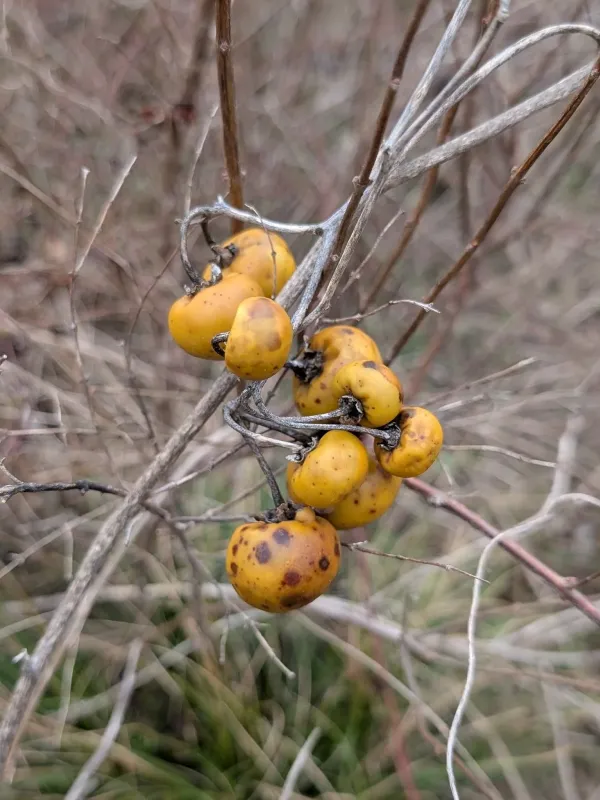
Description
Growing requirements
Solanum anoplocladum is a distinctive member of the Solanaceae family, originating from the arid, high-altitude regions of South America, primarily endemic to parts of Peru.
As a specialized wild species, it has adapted to extreme environmental conditions, demonstrating high tolerance to drought and poor, rocky soil structures typical of its native habitat.
Successful cultivation requires soil with excellent drainage properties to mimic the natural scree or arid slopes where this species usually thrives in the wild.
The plant demands high solar radiation and good air circulation, as high humidity and low light levels are detrimental to its structural integrity and overall health.
In agricultural research, this species is highly valued for its genetic potential, as it carries traits for abiotic stress resistance that are crucial for modern crop improvement programs.
Main diseases and pests
The primary threats to Solanum anoplocladum involve common fungal pathogens affecting the Solanaceae family, such as late blight, which can occur if moisture levels are not strictly controlled.
Insect pests, including aphids and whiteflies, pose a significant threat by potentially transmitting systemic viruses that the wild species may be vulnerable to in non-native environments.
Colorado potato beetles represent a major threat when the plant is grown near commercial potato or tomato fields, leading to rapid defoliation if not managed effectively.
Root rot is a common issue when the plant is subjected to poor soil drainage or excessive irrigation, which leads to oxygen deprivation in the root zone.
Integrated pest management strategies are recommended, focusing on maintaining plant vigor and environmental controls rather than heavy reliance on chemical interventions.